

NutraBlog
Can herbal teas help with bloating after eating?

Feeling bloated after a meal is something most of us experience from time to time. Whether it’s the result of a large meal, rich foods, eating too quickly or simply changes to our routine, occasional bloating can leave us feeling uncomfortable and sluggish. Across cultures and generations, people have often turned to herbal teas after eating as a simple way to support digestive comfort and create a moment of calm. Today, interest in herbal tea for bloating continues to grow as more people look for natural digestive support. In this article, we explore why bloating happens, the traditional herbs most commonly associated with digestion, and why herbal tea remains such a popular choice after meals.
Few things can spoil a good meal quite like feeling uncomfortable afterwards.
You’ve enjoyed lunch with friends, a family barbecue, or a favourite restaurant meal, only to be left feeling bloated and overly full. While occasional bloating is common, many people look for small habits that help them feel more comfortable after eating.
One habit that has stood the test of time is drinking herbal tea.
Long before modern wellness trends emerged, communities around the world were preparing herbal infusions after meals, using locally available plants and herbs that became part of daily routines. Today, many of those same ingredients continue to appear in digestion support herbal tea blends.
Why do we feel bloated after eating?
Bloating is a sensation most people recognise, but it can occur for a variety of reasons.
Eating quickly, large rich meals, and fizzy drinks can all contribute to feelings of fullness and abdominal discomfort. Changes in routine, travel, and stress can also affect digestion.
Rather than looking for dramatic solutions, many people are interested in simple rituals that help them feel more comfortable after meals.
Why have people traditionally drunk herbal tea after meals?
The tradition of drinking herbal tea after eating can be found across many cultures.
In parts of Europe, digestive herbal infusions were often enjoyed after large family meals. Across Asia, herbal drinks have long been incorporated into everyday eating habits. In the Middle East and Mediterranean regions, mint-based drinks have been served after meals for generations.
Although the ingredients vary from culture to culture, the ritual remains remarkably similar.
A warm drink encourages people to slow down, pause, and allow the meal to settle. It is a simple habit that has survived centuries of changing food trends and continues to feel relevant today.
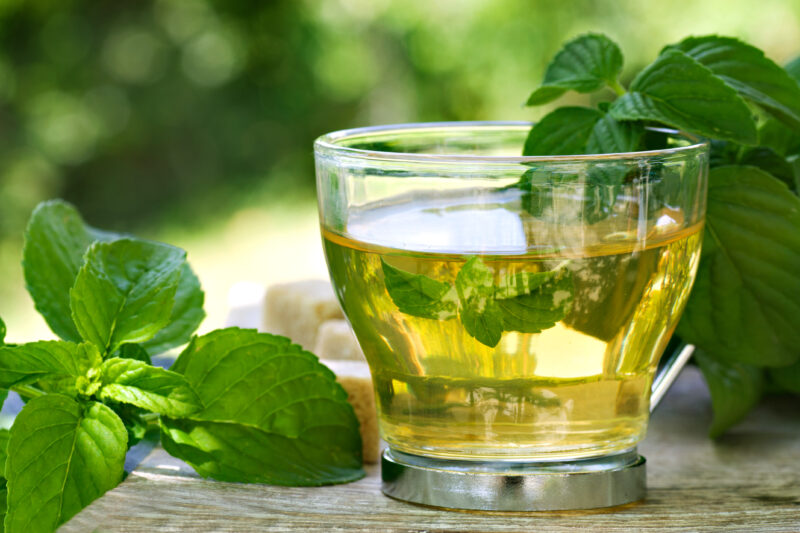
Peppermint: one of the world’s favourite after-dinner herbs
Few herbs are as strongly associated with digestion as peppermint (Mentha × piperita).
The use of mint dates back thousands of years. Ancient Egyptians, Greeks, and Romans all valued mint, using it in food, drinks, and traditional herbal preparations. Its refreshing flavour helped make it a natural choice after meals, and that association has endured to the present day.
Today, peppermint herbal tea benefits remain one of the most searched topics within the herbal tea category. Many people reach for peppermint tea after eating because of its refreshing taste and its long-standing reputation as a post-meal drink.
This ongoing popularity explains why peppermint continues to feature in modern tea blends and remains one of the most recognisable herbs associated with digestive comfort.
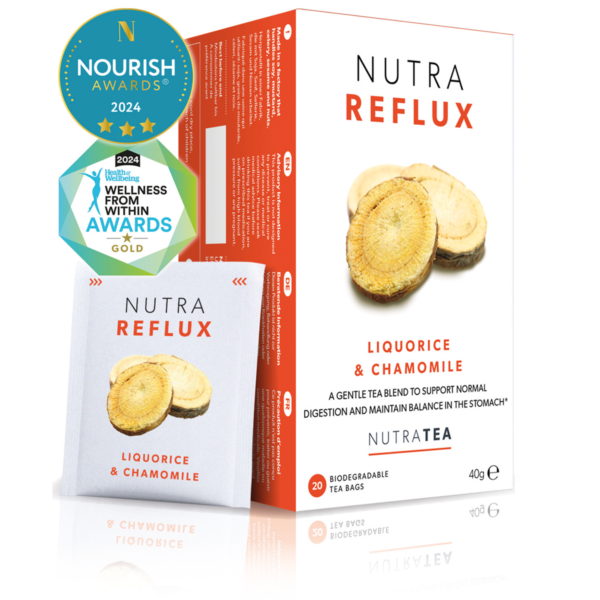
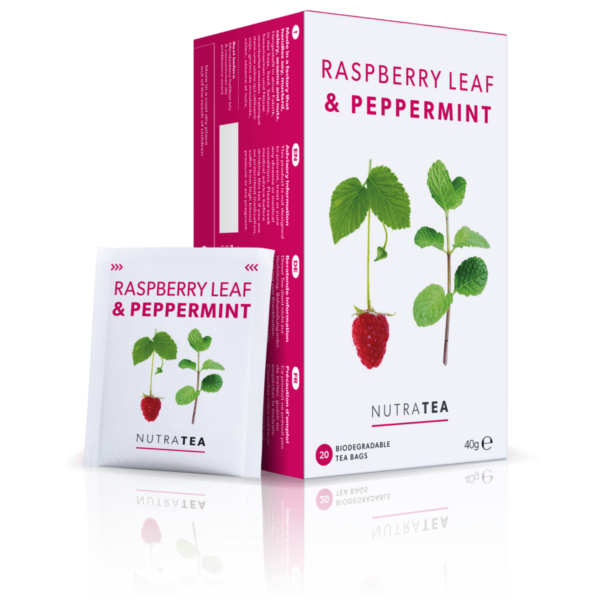
NutraTea’s NutraReflux and Raspberry Leaf & Peppermint contain peppermint to help aid digestion and prevent bloating.
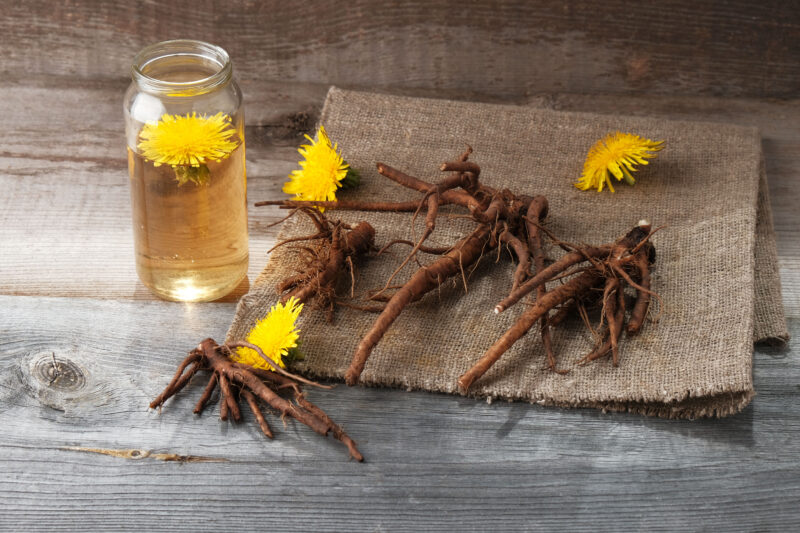
Dandelion root: from countryside weed to wellness favourite
Dandelion root (Taraxacum officinale) has one of the most surprising stories in herbal wellness.
Although many people see dandelions as common garden plants, their roots have been used for centuries in traditional herbal preparations throughout Europe and Asia. Historically, roasted dandelion root was often brewed as a caffeine-free alternative to coffee, particularly during times when coffee was expensive or difficult to obtain.
Today, dandelion root tea benefits continue to attract attention from people interested in natural digestive support and traditional herbal ingredients.
Dandelion root also contains naturally occurring inulin, a type of soluble fibre that has made the plant a subject of ongoing interest within discussions around digestion and gut health.
Found in blends such as NutraTrim and NutraCleanse, its earthy flavour and rich history have helped transform dandelion root from an overlooked wild plant into one of the most talked-about ingredients in modern herbal wellness.
Ginger: a global tradition that spans centuries
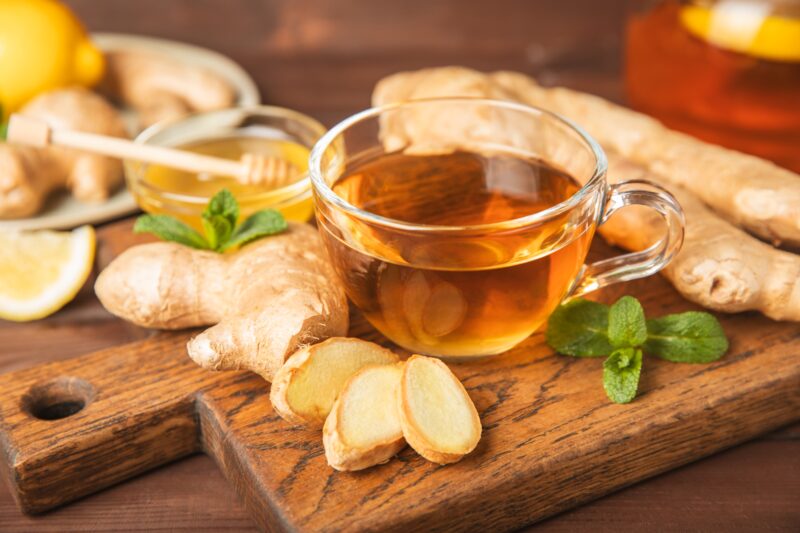
Few ingredients have travelled the world quite like ginger (Zingiber officinale).
Native to Southeast Asia, ginger has been traded and valued for thousands of years. Historical records show it moving along ancient trade routes and becoming a staple ingredient in cuisines and herbal traditions across Asia, the Middle East and Europe.
Today, ginger remains one of the most commonly used ingredients in herbal tea for digestion.
Its warming flavour makes it particularly popular after meals, while its long history of traditional use has helped maintain its reputation across generations. For many people, a cup of ginger tea represents both comfort and tradition, demonstrating how ancient ingredients can remain relevant in modern lifestyles.
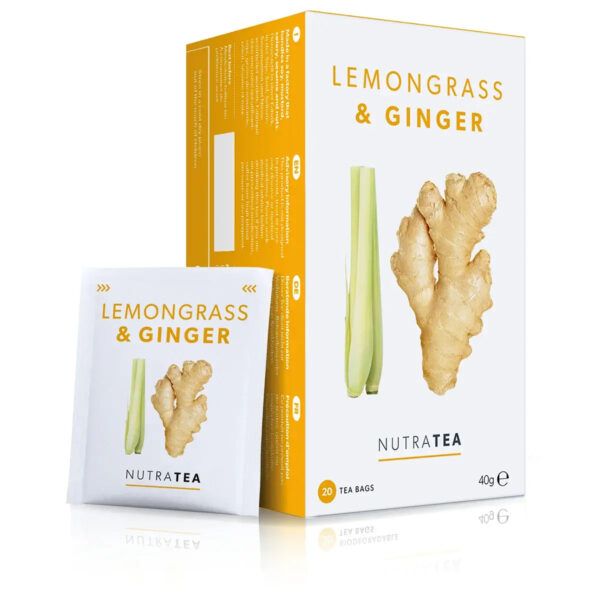
Blends such as NutraReflux, Lemongrass & Ginger, NutraPreg, and Ginseng & Ginger, contain ginger to help support healthy digestion and prevent bloating.
Why warm drinks can feel comforting after meals
Part of the appeal of herbal tea may have nothing to do with the ingredients themselves.
A warm drink naturally encourages us to slow down. It creates a transition between eating and returning to the rest of our day.
Modern life often encourages us to eat quickly and move immediately on to the next task. Herbal tea provides an opportunity to do the opposite. It creates a small pause, helping transform the end of a meal into a moment of reflection and relaxation.
This simple ritual is one reason herbal tea for bloating and herbal tea for gut health continue to resonate with so many people.
Bringing traditional digestive herbs into modern tea blends
One reason traditional herbs remain popular is that modern tea blends make them easy to enjoy.
NutraReflux brings together peppermint with liquorice, chamomile, shatavari root, and ginger to support digestive health, while NutraTea’s Raspberry Leaf & Peppermint blend combines peppermint with raspberry leaf, creating a refreshing herbal infusion that fits naturally into daily routines. For tea drinkers looking to explore a traditional raspberry leaf tea drink, it offers a simple way to enjoy this well-known botanical alongside peppermint.
For those who enjoy warming botanical flavours, Lemongrass & Ginger and Ginseng & Ginger are built around one of the world’s most enduring digestive herbs.
Meanwhile, NutraCleanse and NutraTrim include dandelion root (Taraxacum officinale), helping tea drinkers explore one of the most established ingredients in traditional herbal wellness.
By bringing together heritage ingredients in convenient blends, modern herbal teas help connect centuries-old traditions with contemporary lifestyles.
Why herbal tea remains a timeless choice
Food trends come and go, but some habits have remarkable staying power.
The tradition of drinking herbal tea after meals has survived for generations because it offers something simple: a moment to pause, reflect and enjoy a warm, comforting drink.
Whether you’re exploring herbal tea for bloating, looking for a tea for bloating after eating, or simply curious about traditional digestive herbs, ingredients such as peppermint, ginger and dandelion root continue to demonstrate why herbal tea remains one of the world’s most enduring wellness rituals.
Frequently asked questions
What is the best tea for bloating?
Different people enjoy different herbal teas, but peppermint, ginger, and dandelion root are among the most commonly discussed ingredients in relation to digestive comfort and post-meal rituals.
Can herbal tea help with bloating after eating?
Many people enjoy herbal tea after meals as part of a digestive wellbeing routine. Herbal tea has been used traditionally for generations as a comforting post-meal drink.
What is a good herbal tea for digestion?
Peppermint, ginger and dandelion root are among the most popular herbs used in herbal tea for digestion.
Why do people drink peppermint tea after meals?
Peppermint has a long history of traditional use and is valued for its refreshing flavour, making it a popular after-dinner herbal tea.
What is dandelion root tea used for?
Dandelion root tea has been enjoyed for centuries and continues to attract interest for its connection to traditional herbal wellness and digestive support practices.