

NutraBlog
Can ashwagandha tea help with stress and resilience?

Ashwagandha has gone from a little-known Ayurvedic herb to one of the most recognisable ingredients in modern wellness. Found in teas, supplements, and wellness blends around the world, it is often associated with stress, resilience and balance. But long before it appeared in social media posts and health shops, ashwagandha (Withania somnifera) had already been used for thousands of years within traditional Ayurvedic practices. In this article, we explore the story of ashwagandha, what makes it unique, why it is considered an adaptogen and how it became one of the most talked-about herbs of the modern wellness era. Walk into almost any health food shop today and you’ll find ashwagandha everywhere. It’s added to supplements, powders, wellness drinks, and increasingly, herbal teas. Yet despite its recent popularity, ashwagandha is far from a new discovery. In fact, the story of ashwagandha stretches back thousands of years, making it one of the oldest continuously used herbs in the world.
What is ashwagandha?
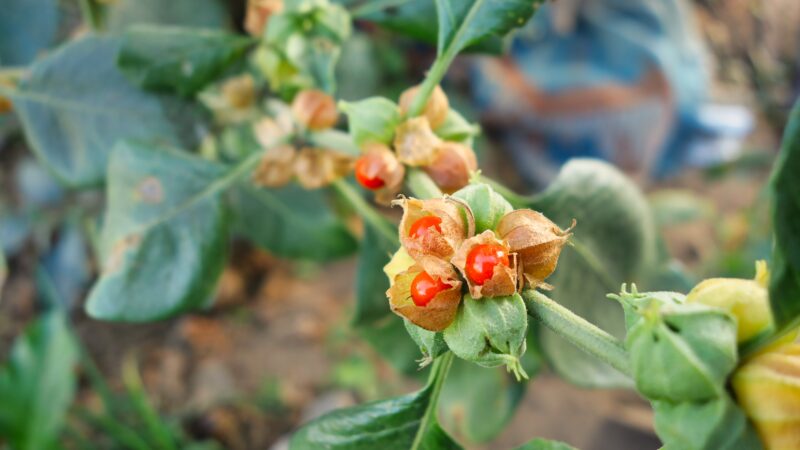
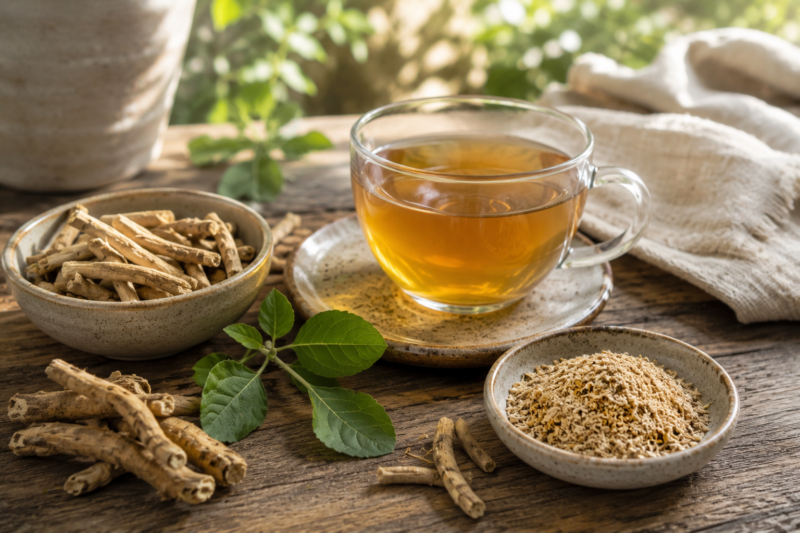
Ashwagandha (Withania somnifera) is a small evergreen shrub that grows throughout India, parts of the Middle East and regions of Africa. The plant produces small orange-red berries, but it is the roots that have traditionally attracted the most attention. For generations, these roots have been harvested, dried, and incorporated into a variety of herbal preparations. The name ashwagandha is often translated as smell of the horse. According to traditional explanations, this refers both to the distinctive scent of the root and the qualities of strength and vitality historically associated with the plant. Today, ashwagandha is one of the best-known herbs within Ayurvedic traditions and has become a familiar ingredient in wellness products around the world.
The 3,000-year story behind ashwagandha
One reason ashwagandha stands out from many modern wellness trends is its remarkable history. References to ashwagandha can be found in Ayurvedic texts dating back more than 3,000 years. Ayurveda, which originated in India, takes a holistic approach to wellbeing and places significant emphasis on balance between mind, body and lifestyle. Within these traditions, herbs were not viewed as quick fixes. Instead, they were incorporated into broader daily practices that included nutrition, movement, sleep and mindfulness. This context helps explain why ashwagandha remains relevant today. The conversations we now have around stress, resilience and wellbeing are not entirely new. They are modern versions of themes that have existed within traditional wellness systems for centuries.
What makes ashwagandha different from other herbs?
Many herbs have long histories of use, but relatively few have maintained their popularity across such a long period of time. Part of ashwagandha’s appeal lies in its dual identity. On one hand, it is deeply rooted in traditional practices. On the other, it continues to attract modern scientific interest. Researchers have identified naturally occurring compounds within the plant known as withanolides. These compounds are unique to a relatively small group of plants and are one reason ashwagandha continues to be studied today. The combination of traditional heritage and modern research has helped ashwagandha bridge the gap between ancient knowledge and contemporary wellness.
What is an adaptogen?
If you’ve read about ashwagandha before, you’ve probably come across the term adaptogen. Adaptogens are a category of herbs and botanicals traditionally associated with helping the body adapt to physical, emotional and environmental stressors. The term itself is relatively modern, but many of the herbs classed as adaptogens have been used for centuries. Alongside ashwagandha, other commonly discussed adaptogens include ginseng, rhodiola, and holy basil. Interest in adaptogens for wellbeing has grown significantly in recent years as people look for approaches to wellness that focus on long-term balance rather than short-term fixes. This growing awareness is one reason adaptogenic herbal tea has become such a popular category within the tea market.
Why do people choose ashwagandha for stress?
Stress affects everyone differently. For some people it can feel like mental overload after a busy day, while for others it can be difficulty switching off, feeling constantly “on the go” or struggling to find moments of calm.
This is one reason ashwagandha has become one of the most widely recognised herbs within modern wellbeing. Rather than being associated with quick fixes, it is often discussed as part of a broader approach to managing everyday stress and building resilience over time.
Many people choose ashwagandha tea for stress because it fits naturally into a calming daily routine. Preparing a warm herbal tea encourages people to pause, step away from busy schedules and create a moment of relaxation. Combined with healthy habits such as regular exercise, quality sleep and mindfulness, this ritual can become part of a wider wellbeing routine.
Scientific research into Withania somnifera continues to grow, particularly around its traditional use and its role as an adaptogenic herb. While research is ongoing, this combination of centuries of traditional use and increasing scientific interest helps explain why so many people continue to explore natural stress support through herbs such as ashwagandha.
Why are people turning to ashwagandha today?
The popularity of ashwagandha reflects a wider shift in consumer behaviour. Many people are becoming less interested in quick fixes and more interested in sustainable wellbeing habits. At the same time, modern life can feel increasingly demanding. Work, family responsibilities, and technology all compete for our attention. As a result, consumers are exploring a variety of ways to support their wellbeing, from mindfulness and exercise to nutrition and herbal traditions. This is where searches such as can ashwagandha help with stress?, ashwagandha tea for stress and natural stress support often originate. People are not simply looking for products. They are looking for routines, rituals, and habits that help them feel more balanced in an increasingly busy world.

Ashwagandha tea and the return of daily rituals
One of the reasons herbal tea remains so popular is that it encourages us to slow down. Making tea is not just about hydration. It creates a pause and encourages people to step away from screens, take a breath, and focus on a simple task. For many tea drinkers, the appeal of ashwagandha in tea is linked as much to this ritual as it is to the ingredient itself. A cup of tea can become a moment of reflection in a busy day. In this sense, herbal tea supports something many people feel is missing from modern life: space to pause. This is one reason calming herbal tea for stress continues to resonate with consumers looking for balance and resilience.
Why ancient herbs are finding new audiences
One of the most interesting developments in modern wellness is the renewed interest in traditional ingredients. Consumers increasingly want to know where ingredients come from, how they have been used historically, and whether they have stood the test of time. Ashwagandha answers all of those questions. Its story spans thousands of years, multiple cultures, and generations of use. While the ways we consume it may have changed, the fascination with the plant itself has remained remarkably consistent. This helps explain why ashwagandha continues to attract attention from wellness enthusiasts, researchers and tea drinkers alike.
Bringing traditional ingredients into modern tea blends
Traditional ingredients remain relevant because modern brands make them easier to enjoy.
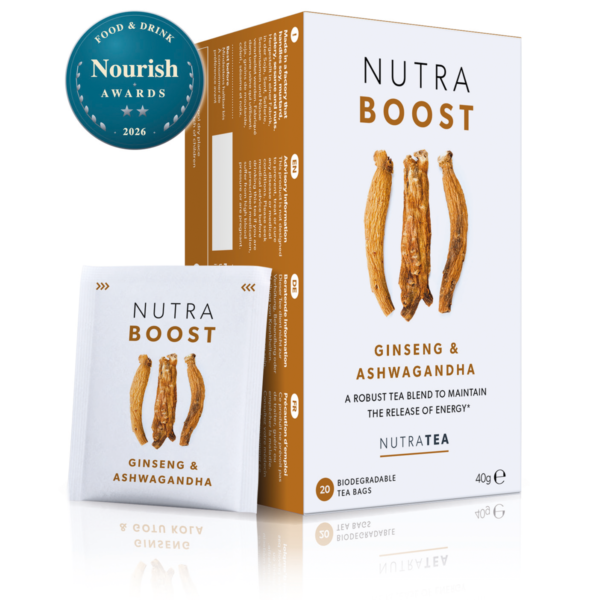
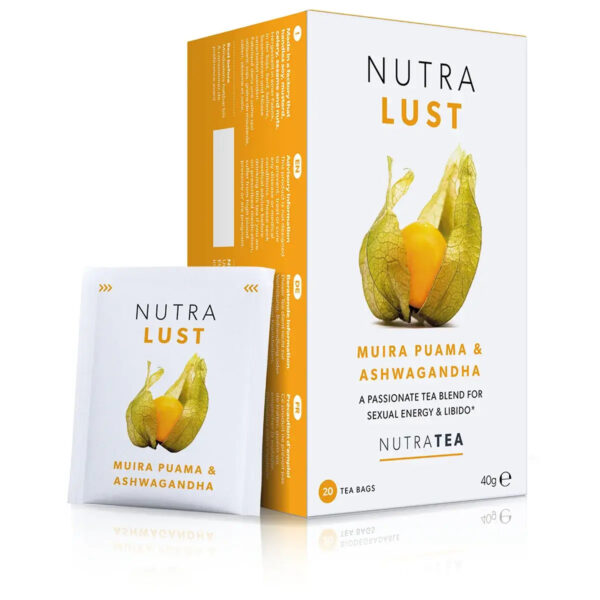
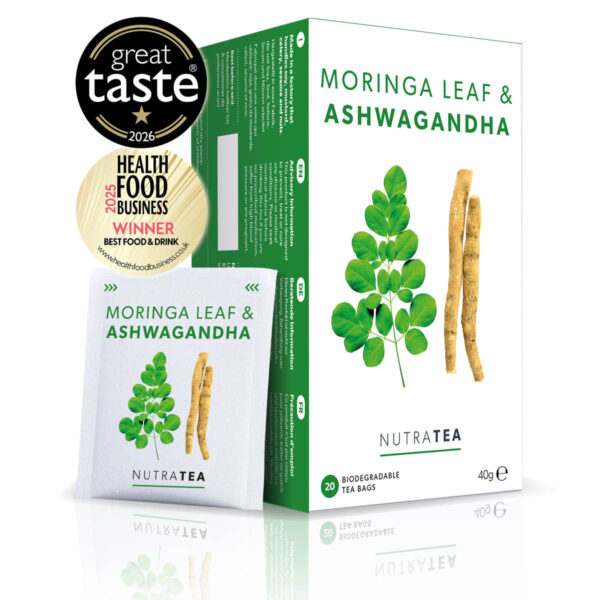
NutraTea includes ashwagandha in three of its herbal tea blends, each offering a different combination of traditional botanicals.
- Moringa Leaf & Ashwagandha pairs ashwagandha (Withania somnifera) with nutrient-rich moringa (Moringa oleifera), creating a blend that combines two herbs with long histories of traditional use.
- NutraBoost combines ashwagandha with carefully selected botanical ingredients, including ginseng, liquorice, and gotu kola, to create a refreshing blend designed for everyday wellbeing.
- NutraLust also features ashwagandha alongside muira puama, ginseng, black tea, and maca, demonstrating how this traditional ingredient can be incorporated into a variety of modern herbal tea blends.
By combining ancient botanical knowledge with convenient everyday rituals, these blends make it easier to explore ashwagandha in tea as part of a balanced lifestyle.
A traditional herb for a modern world
Few ingredients demonstrate the enduring appeal of traditional wellness quite like ashwagandha. From ancient Ayurvedic texts to modern herbal tea blends, its story spans thousands of years and continues to evolve. While wellness trends come and go, ingredients with deep cultural roots often endure because they offer something more than novelty: they offer history, tradition, and a connection to practices that have stood the test of time.
Whether you’re exploring ashwagandha tea benefits, looking for natural stress support, or simply curious about one of the world’s oldest herbal traditions, ashwagandha offers a fascinating blend of history and modern relevance.
Its popularity isn’t simply the result of a wellness trend. It reflects thousands of years of traditional use, growing scientific interest and the desire many people have to build calmer, more balanced daily routines. While no single herb can replace the foundations of good wellbeing, ashwagandha tea can become one small part of a lifestyle that prioritises resilience, rest and balance.
Frequently Asked Questions
What are the benefits of ashwagandha tea?
Ashwagandha tea is valued for its long history of traditional use and its popularity within modern wellbeing routines.
Can ashwagandha help with stress?
Ashwagandha is one of the most widely discussed herbs in conversations around stress, resilience and adaptogenic wellness practices.
What is an adaptogenic herbal tea?
Adaptogenic herbal tea typically contains herbs traditionally classified as adaptogens, such as ashwagandha, ginseng, rhodiola or holy basil.
Why is ashwagandha associated with resilience?
Ashwagandha is often discussed as part of broader conversations around balance, adaptability and long-term wellbeing.
Can I drink ashwagandha in tea?
Yes. Ashwagandha is commonly incorporated into herbal tea blends and wellness beverages.