

NutraBlog
Why dandelion root tea is making a comeback for digestion and everyday wellbeing

Interest in dandelion root tea is growing as more people look to traditional herbal ingredients to support their wellbeing. Once used as a coffee alternative and herbal tonic, dandelion root has a long history across Europe, Asia and North America. Today, people are rediscovering dandelion root tea benefits as part of a broader interest in natural digestive support, mindful wellness routines and caffeine-free alternatives. In this article, we’ll explore what dandelion root is, why it has been used for centuries, the naturally occurring compounds it contains, and why it remains one of the most talked-about herbal ingredients today.
What is dandelion root?
Most people recognise dandelions as bright yellow wildflowers that appear in gardens and green spaces throughout spring and summer. However, dandelion (Taraxacum officinale) is far more than a common plant.
For centuries, different parts of the dandelion have been used in traditional food and herbal practices. The leaves, flowers, and roots are all edible, but it is the root that has attracted particular attention within herbal wellness traditions.
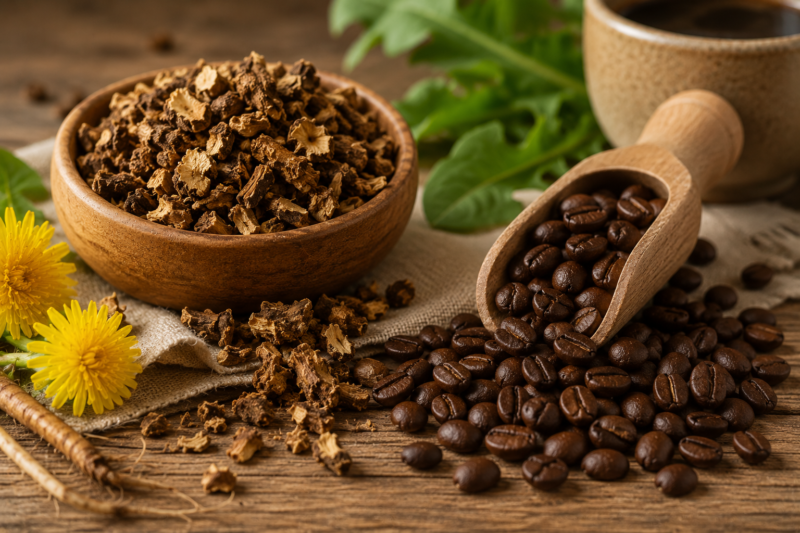
After harvesting, the roots are typically cleaned, dried, and often roasted before being brewed into dandelion root herbal tea. This roasting process creates a rich, earthy flavour that many people compare to coffee, despite containing no caffeine.
Today, dandelion root tea remains popular among people looking for a warming herbal drink that feels comforting and satisfying.

Why has dandelion root been used for centuries?
Dandelion root has a long history of use throughout Europe, Asia, and North America.
Historically, herbal traditions often relied on plants that were widely available and easy to prepare. Dandelions met both requirements. They grew naturally in many regions and provided a versatile ingredient that could be incorporated into food and drinks.
During periods when coffee was expensive or difficult to obtain, roasted dandelion root was commonly used as a coffee alternative. In some communities, it became a staple household ingredient and was enjoyed as part of daily routines.
The fact that dandelion root continues to be used today speaks to its enduring popularity and the growing appreciation for traditional wellness practices.
What compounds are found in dandelion root?
One reason dandelion root continues to attract interest is because it contains a variety of naturally occurring plant compounds.
Modern research has identified a wide range of compounds within dandelion root, including inulin, polyphenols, flavonoids, and phenolic acids, such as chicoric acid and chlorogenic acid. These compounds continue to attract scientific interest and have contributed to the growing body of research surrounding Taraxacum officinale.
Among the most commonly discussed are:
Inulin – a type of soluble fibre naturally found in dandelion root. It is often discussed in relation to digestive wellbeing and is one of the reasons dandelion root is frequently mentioned in conversations around gut health.
Polyphenols – naturally occurring compounds found in many fruits, vegetables, herbs, and teas. They are widely studied for their role in plant biology and contribute to the complexity of many botanical ingredients.
Flavonoids – a group of plant compounds that occur naturally in a wide variety of herbs and foods.
Sesquiterpene lactones – contribute to the distinctive bitter taste associated with dandelion root and many other traditional herbal ingredients.
The presence of these naturally occurring compounds is one reason researchers continue to explore dandelion root and its role within broader discussions around nutrition and wellbeing.

Why do people choose dandelion root tea today?
Although dandelion root has a rich history, its popularity today is about more than tradition.
Many people choose dandelion root tea because it offers a naturally caffeine-free alternative to coffee, making it a popular choice for those looking to reduce their caffeine intake without giving up the comfort of a warm drink.
Others enjoy dandelion root tea as part of their everyday wellbeing routine. Its long-standing association with digestive comfort means it is often enjoyed after meals, while its earthy flavour has helped it remain a favourite among people looking to explore traditional herbal ingredients.
For many tea drinkers, dandelion root is also an easy way to include botanicals in their daily routine. Rather than viewing herbal tea as a quick fix, they see it as part of a broader lifestyle focused on balance, hydration and mindful daily habits.
Dandelion root for digestion and gut health
One of the most common reasons people search for dandelion root tea is its association with digestive wellbeing.
Digestive health has become one of the biggest topics in modern wellness. As people learn more about the importance of the gut, many are becoming interested in the foods, drinks and lifestyle habits that support digestive balance.
This is where dandelion root for digestion often enters the conversation.
For generations, dandelion root tea has been enjoyed after meals and incorporated into traditional wellness routines and dandelion’s relationship with digestion is certainly not new. A 2022 scientific review noted that dandelion and its naturally occurring compounds have long been explored in relation to gastrointestinal health and traditional digestive uses, helping explain why interest in dandelion root for digestion remains strong today.
While herbal tea should not be viewed as a replacement for a balanced diet or healthy lifestyle, many people find that incorporating herbal teas into their routines helps encourage hydration and mindful habits that support overall wellbeing.
Dandelion root tea as a coffee alternative
One of the lesser-known dandelion root tea uses is as a coffee alternative.
Beyond its traditional use as a roasted beverage, dandelion root has attracted modern interest because it contains naturally occurring polyphenols and other plant compounds. Research published in 2024 examining dandelion root infusions highlighted the presence of phenolic compounds and antioxidant activity within brewed dandelion root preparations.
When roasted, dandelion root develops a rich, slightly nutty flavour that many people find satisfying. While it does not replicate coffee exactly, it offers a similar warmth and depth without caffeine.
This makes dandelion root herbal tea particularly appealing to those looking to reduce their caffeine intake while still enjoying a comforting hot drink.
Many people now include dandelion root tea as part of their morning routine or enjoy it in the afternoon when they want something flavourful without additional caffeine.
Bringing traditional ingredients into modern tea blends
One of the reasons dandelion root remains so popular is that modern tea blends make this traditional ingredient easy to enjoy.
NutraTea includes dandelion root (Taraxacum officinale) in several of its blends, allowing tea drinkers to explore this heritage botanical in different ways.
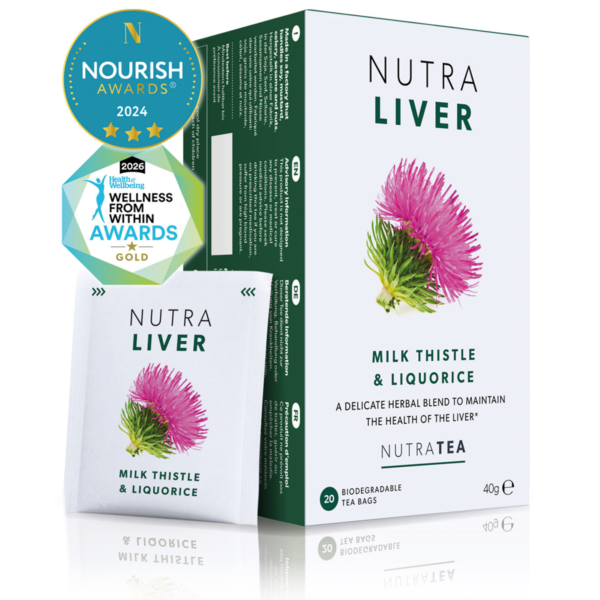
- NutraCleanse combines dandelion root with carefully selected ingredients such as milk thistle, artichoke, and liquorice, to support cleansing and digestive wellbeing.
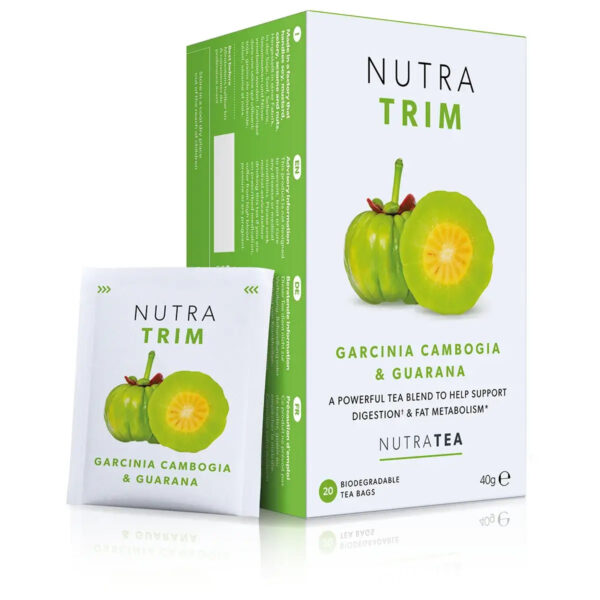
- NutraTrim includes dandelion root as part of a thoughtfully balanced blend for those looking to support healthy lifestyle habits.
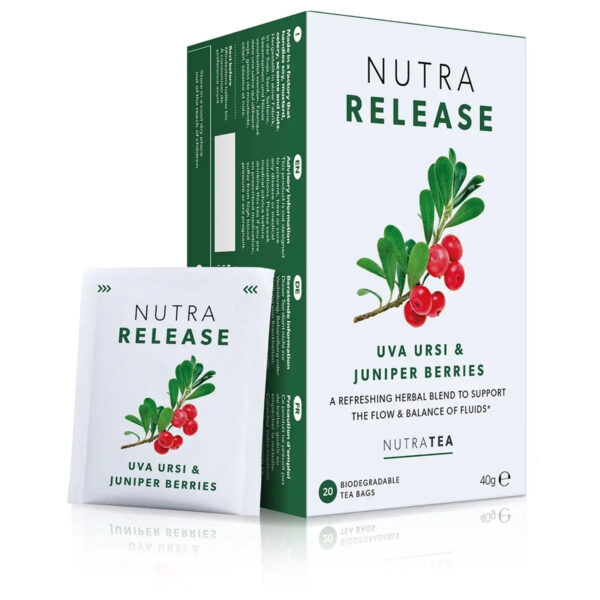
- NutraRelease also features dandelion root alongside complementary botanicals, demonstrating the versatility of this long-established herbal ingredient.
By combining traditional botanicals with modern convenience, these blends help bring centuries of herbal knowledge into everyday routines.
What does dandelion root tea do?
For many people, the appeal of dandelion root tea lies in its connection to tradition, simplicity and mindful living.
It offers a caffeine-free alternative to conventional hot drinks, contains naturally occurring plant compounds, and can be incorporated into daily wellness routines with ease.
Perhaps most importantly, it reminds us that some of the most enduring wellness ingredients are not necessarily the newest. Sometimes they are the plants that have been growing around us all along.
Whether you’re curious about dandelion root tea benefits, looking for a naturally caffeine-free herbal drink, or exploring simple ways to support everyday wellbeing, dandelion root demonstrates how traditional herbal ingredients can still play a meaningful role in modern lifestyles.
Frequently Asked Questions
What are the benefits of dandelion root tea?
Dandelion root tea is commonly enjoyed as part of a balanced wellness routine and is often associated with natural digestive support, hydration and mindful living.
Is dandelion root tea good for digestion?
Dandelion root has a long history of traditional use and is frequently discussed in relation to digestive wellbeing and gut health.
What does dandelion root tea do?
Many people enjoy dandelion root tea as a caffeine-free herbal drink that fits naturally into daily wellness routines.
Can dandelion root tea help with bloating?
Dandelion root tea is often explored by people looking for herbal tea for bloating and natural digestive support.
Is dandelion root tea naturally caffeine free?
Yes. Dandelion root tea contains no caffeine, which is one reason it is commonly used as a coffee alternative.