

NutraBlog
The benefits of fenugreek tea when breastfeeding

Fenugreek tea has been enjoyed by breastfeeding mothers for centuries and remains one of the best-known herbal teas associated with the postnatal period. Traditionally used in cultures across Asia, the Middle East and the Mediterranean, fenugreek is often combined with herbs such as fennel and chamomile in breastfeeding herbal tea blends. While research into fenugreek for breastfeeding is still ongoing, its long history of traditional use continues to make it a popular choice for new mothers. In this guide, we’ll explore the benefits of fenugreek tea, why it has become so closely linked with breastfeeding, the role of the other herbs commonly found alongside it, and how these ingredients come together in NutraMother.
What are the benefits of fenugreek tea when breastfeeding?
For many new mothers, the weeks after giving birth are a time of adjustment. Between feeding, recovering and adapting to life with a newborn, even small moments of self-care can make a real difference.
One herbal tea that has stood the test of time is fenugreek tea.
Traditionally, fenugreek for breastfeeding has been used as part of postnatal herbal practices in many cultures. Today, it’s still one of the most widely recognised ingredients in breastfeeding herbal tea blends, often chosen because it is naturally caffeine free and has a long history of use during the early months of motherhood.
Although many mothers continue to enjoy fenugreek tea as part of their breastfeeding journey, it’s important to remember that everyone’s experience is different. Herbal teas should be seen as one part of a broader approach to wellbeing alongside staying hydrated, eating a balanced diet and seeking support from healthcare professionals where needed.
What is fenugreek?
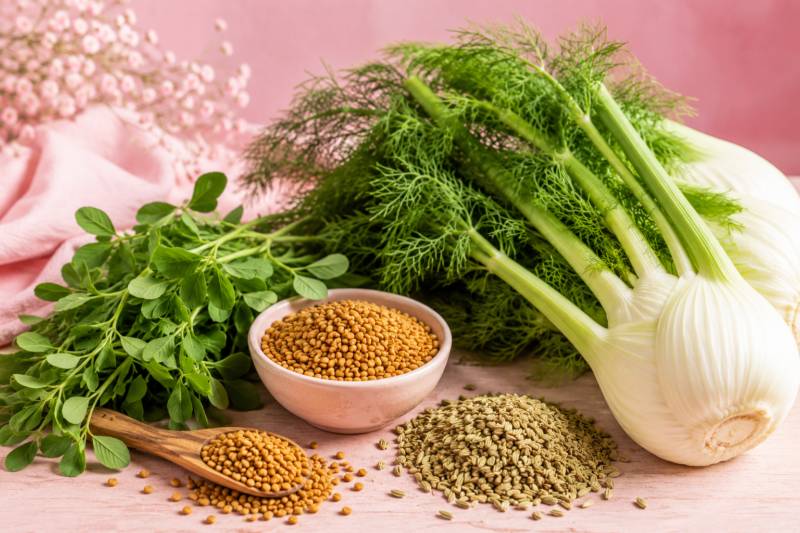
Fenugreek (Trigonella foenum-graecum) is an aromatic herb belonging to the pea family and has been cultivated for thousands of years.
Originally grown throughout the Mediterranean, North Africa and parts of Asia, its seeds have long been used in cooking, herbal remedies and traditional wellness practices. They have a distinctive slightly sweet, nutty flavour that’s often compared to maple syrup.
Today, interest in fenugreek tea benefits extends far beyond the kitchen. The seeds naturally contain fibre, saponins, flavonoids and other plant compounds that have contributed to their long-standing place in herbal traditions around the world.
Why is fenugreek associated with breastfeeding?
Fenugreek is perhaps best known for its traditional use as a galactagogue—a herb historically used to support breast milk production.
For generations, women have incorporated fenugreek into their diets during the postnatal period, whether through cooking, supplements or herbal teas. This long-standing tradition has helped make fenugreek one of the most recognisable herbs associated with breastfeeding today.
Scientific research into fenugreek’s effectiveness is still developing. Some studies have suggested it may be helpful for certain women, while others have found limited evidence. Because of this, healthcare professionals generally recommend viewing fenugreek as a traditional herbal choice rather than a guaranteed solution.
If you’re breastfeeding or have any underlying health conditions, it’s always best to speak to your midwife, health visitor or GP before introducing any new herbal products into your routine.
The traditional herbs that complement fenugreek
Although fenugreek is often the ingredient people recognise most, traditional breastfeeding herbal tea blends rarely rely on a single herb.
Fennel has been used for centuries in herbal traditions and is appreciated for its naturally sweet flavour and its long association with digestive comfort, making it a popular addition to postnatal tea blends.
Chamomile brings a gentle floral note while offering a calming moment during the often busy and sometimes sleepless weeks of early motherhood.
Raspberry leaf has a long history in women’s herbal traditions and is commonly included in blends created to support women during pregnancy and after birth.
Supporting herbs such as caraway, nettle, blessed thistle and shatavari root each add their own unique qualities, reflecting the traditional practice of combining complementary botanicals rather than relying on one ingredient alone.
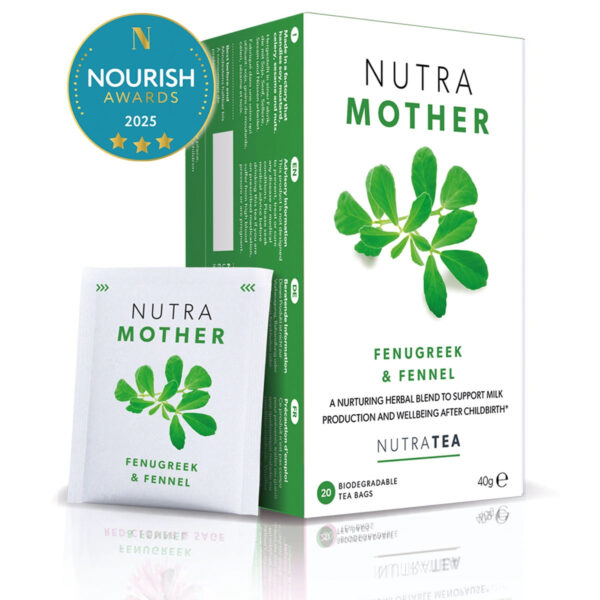
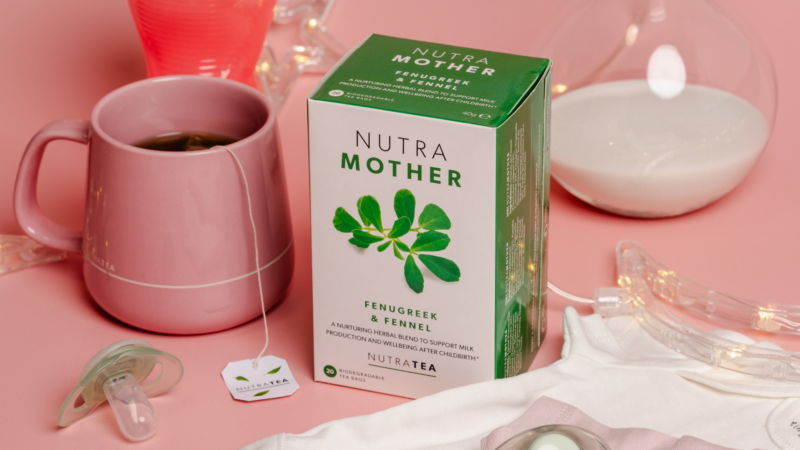
This carefully balanced approach is what inspired NutraMother, which brings together fenugreek with a selection of traditional herbs to create a naturally caffeine-free tea designed for the postnatal period.
A small daily ritual after pregnancy
Life with a newborn doesn’t leave much time for yourself.
Whether you’re feeding around the clock, adjusting to broken sleep or simply finding your feet as a new parent, taking a few quiet minutes with a warm drink can become an important part of your day.
Many mothers enjoy herbal tea not only because of the ingredients it contains, but because it encourages them to pause, stay hydrated and create a small moment of calm. Choosing a naturally caffeine-free tea can also be an appealing option for those looking to reduce their caffeine intake while breastfeeding.
Sometimes it’s these small daily rituals that help make the early weeks of parenthood feel just a little more manageable.

Discover NutraMother
NutraMother combines fenugreek with a carefully selected blend of traditional herbs, including fennel, chamomile, raspberry leaf and other botanicals that have long been associated with postnatal wellbeing.
Developed by pharmacists and nutritionists, the naturally caffeine-free blend has been created to reflect generations of herbal knowledge while offering a comforting tea that can easily become part of your daily routine after pregnancy.
Rather than focusing on a single ingredient, NutraMother embraces the traditional approach of combining complementary herbs in one thoughtfully balanced blend.
Why fenugreek tea remains a favourite for new mothers
Fenugreek has earned its reputation as one of the world’s best-known herbs for breastfeeding thanks to centuries of traditional use and its continued popularity among new mothers.
While research into fenugreek tea benefits is still evolving, many women continue to choose fenugreek tea as part of their postnatal routine. Combined with herbs such as fennel, chamomile and raspberry leaf, it creates a naturally caffeine-free blend inspired by long-established herbal traditions.
As with any herbal product during pregnancy or breastfeeding, always seek advice from your healthcare professional if you’re unsure whether it’s suitable for you.
Frequently Asked Questions
What are the benefits of fenugreek tea when breastfeeding?
Fenugreek tea has traditionally been used by breastfeeding mothers for generations and is commonly included in postnatal herbal tea blends. While many women choose it as part of their routine, scientific evidence is still developing, and individual experiences can vary.
Can I drink fenugreek tea after pregnancy?
Many women choose herbal tea after pregnancy, particularly while breastfeeding. If you’re considering fenugreek tea, it’s always sensible to discuss it with your midwife, health visitor or GP.
What herbs are commonly found in breastfeeding herbal tea?
Traditional breastfeeding herbal teas often combine fenugreek with herbs such as fennel, chamomile, raspberry leaf, caraway and blessed thistle, creating balanced blends that have been enjoyed by new mothers for generations.
Is NutraMother caffeine free?
Yes. NutraMother is a naturally caffeine-free herbal tea, making it a comforting option for mothers looking to enjoy a warm drink during the postnatal period.