

NutraBlog
Can moringa tea help with energy? Benefits of this nutrient-rich herb
Moringa tea has become increasingly popular among people looking for natural ways to support their energy and wellbeing. Made from the leaves of the moringa tree (Moringa oleifera), this nutrient-rich herbal tea has been used for centuries in parts of Asia and Africa. Often referred to as the “miracle tree”, moringa is valued for its impressive nutritional profile and long history within traditional wellness practices. Today, interest in moringa tea benefits continues to grow as more people explore plant-based alternatives to highly processed drinks and seek natural energy herbal tea options. In this article, we explore the origins of moringa, the nutrients it contains, and why it has become one of the most talked-about herbs in modern wellness.
Many of us spend our days searching for more energy.
Whether it’s keeping up with work, family commitments, exercise, or simply the pace of modern life, it’s no surprise that energy support has become one of the biggest topics in wellness. While coffee and energy drinks remain popular, many people are now looking for gentler, more sustainable ways to support their daily routines.
This shift has helped drive growing interest in moringa tea, a traditional herbal drink that has been enjoyed for generations and is now finding a new audience among health-conscious consumers.
What is moringa?
Moringa (Moringa oleifera) is a fast-growing tree native to northern India, although it is now cultivated throughout Asia, Africa, South America, and other tropical regions around the world.
For centuries, moringa has played an important role in traditional diets and local communities. The leaves, seeds, flowers, and pods can all be used, making it one of the most versatile plants in the world. In some regions, the leaves are added to soups and curries, while in others they are dried and used in herbal preparations.
Today, moringa tea is typically made from dried moringa leaves, creating a mild, earthy infusion that can be enjoyed throughout the day.
Why is moringa called the miracle tree?
Few plants have earned a nickname as ambitious as the miracle tree.
Yet for generations, moringa has been regarded as one of the most valuable plants in many communities. The nickname reflects not only its nutritional profile but also its versatility. Almost every part of the tree can be used in some way, whether for food, traditional practices or practical everyday purposes.
Its ability to thrive in hot, dry climates has also contributed to its reputation. In areas where access to a wide variety of foods may be limited, moringa has long been appreciated as a readily available source of nutrients.
While miracle tree isn’t a scientific term, it highlights the high regard in which moringa has been held across different cultures and generations.

How did moringa become a global wellness trend?
Although moringa has been used for centuries in Asia and Africa, it only began attracting widespread attention in Western wellness circles during the early 2000s.
As interest in plant-based nutrition and functional foods grew, researchers, nutritionists, and wellness brands began highlighting moringa’s nutritional profile. Articles describing it as a superfood helped introduce the ingredient to new audiences, while social media and wellness influencers accelerated its popularity.
Today, moringa can be found in teas, powders, supplements, and wellness products around the world. Its journey from traditional village ingredient to global wellness trend is a reminder that some of the most popular modern ingredients often have deep historical roots.
What nutrients are found in moringa leaves?
One reason moringa tea benefits are discussed so frequently is because the leaves contain a wide range of naturally occurring nutrients and plant compounds.
These include:
- Vitamin A
- Vitamin C
- Several B vitamins
- Calcium
- Potassium
- Magnesium
- Iron
- Amino acids
- Polyphenols
- Flavonoids
Researchers continue to study these compounds and their role within broader discussions around nutrition and wellbeing. Scientific reviews have highlighted moringa’s rich nutritional profile and the presence of naturally occurring antioxidants, helping explain why the plant continues to attract global research interest.
The impressive nutritional profile of moringa is one reason it has become such a popular nutrient-rich herbal tea ingredient.
Why are people turning to moringa tea for energy?
One of the biggest shifts in modern wellness has been a move away from quick fixes.
Many consumers are becoming more aware of the cycle that can accompany excessive caffeine consumption, a temporary boost followed by an afternoon slump, often leading to another cup of coffee or energy drink.
As a result, people are increasingly looking for habits that support steady wellbeing throughout the day rather than dramatic peaks and crashes. This is particularly true for people who experience the mid-afternoon slump and are looking for alternatives to reaching for another coffee or energy drink.
This is where moringa tea for energy enters the conversation.
Unlike coffee or energy drinks, moringa tea is naturally caffeine free. People are often drawn to it because it offers a simple way to enjoy a warm, nutrient-rich beverage without relying on stimulants.
For many tea drinkers, the appeal isn’t about replacing coffee entirely. It’s about creating balance and incorporating a wider variety of drinks into their daily routine.
This growing interest has contributed to rising searches for moringa tea for energy, natural energy herbal tea, and herbal tea for energy and focus.

Moringa leaf vs munga leaf: is there a difference?
Munga leaf and moringa leaf generally refer to the same plant: moringa (Moringa oleifera).
Among the most frequently discussed advantages of moringa leaf are:
- Its impressive nutritional profile
- Its long history of traditional use
- Its versatility in foods, drinks and herbal preparations
- Its popularity as a nutrient-rich herbal tea ingredient
- Its suitability for caffeine-free wellness routines
Perhaps most importantly, moringa demonstrates how traditional ingredients can remain relevant in modern lifestyles. Despite being used for centuries, it continues to attract attention from new generations of consumers looking for simple ways to support their wellbeing.
Moringa tea and everyday wellbeing
The popularity of moringa tea extends beyond energy.
Many people now include herbal teas in their daily routines as a way to encourage hydration, create moments of mindfulness, and support overall wellbeing. The ritual of preparing and drinking tea can be just as valuable as the ingredients themselves.
In a world that often feels rushed and overstimulating, small daily habits can provide a sense of balance. For many people, a cup of moringa tea has become part of that routine.
This helps explain why searches for moringa tea for wellbeing continue to grow.

Bringing traditional ingredients into modern tea blends
Traditional ingredients often remain popular because modern brands make them easier to enjoy.
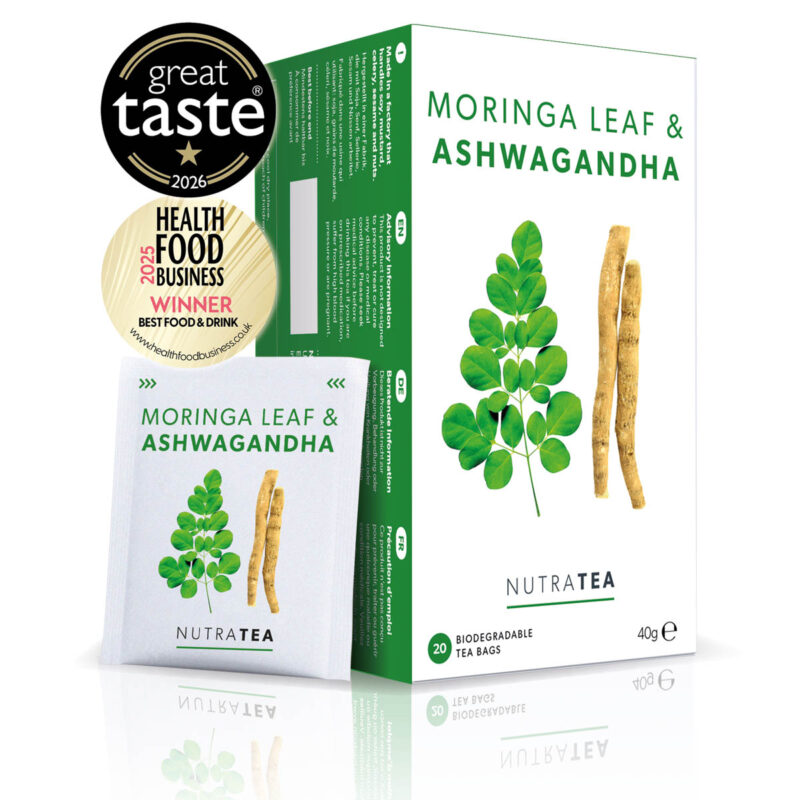
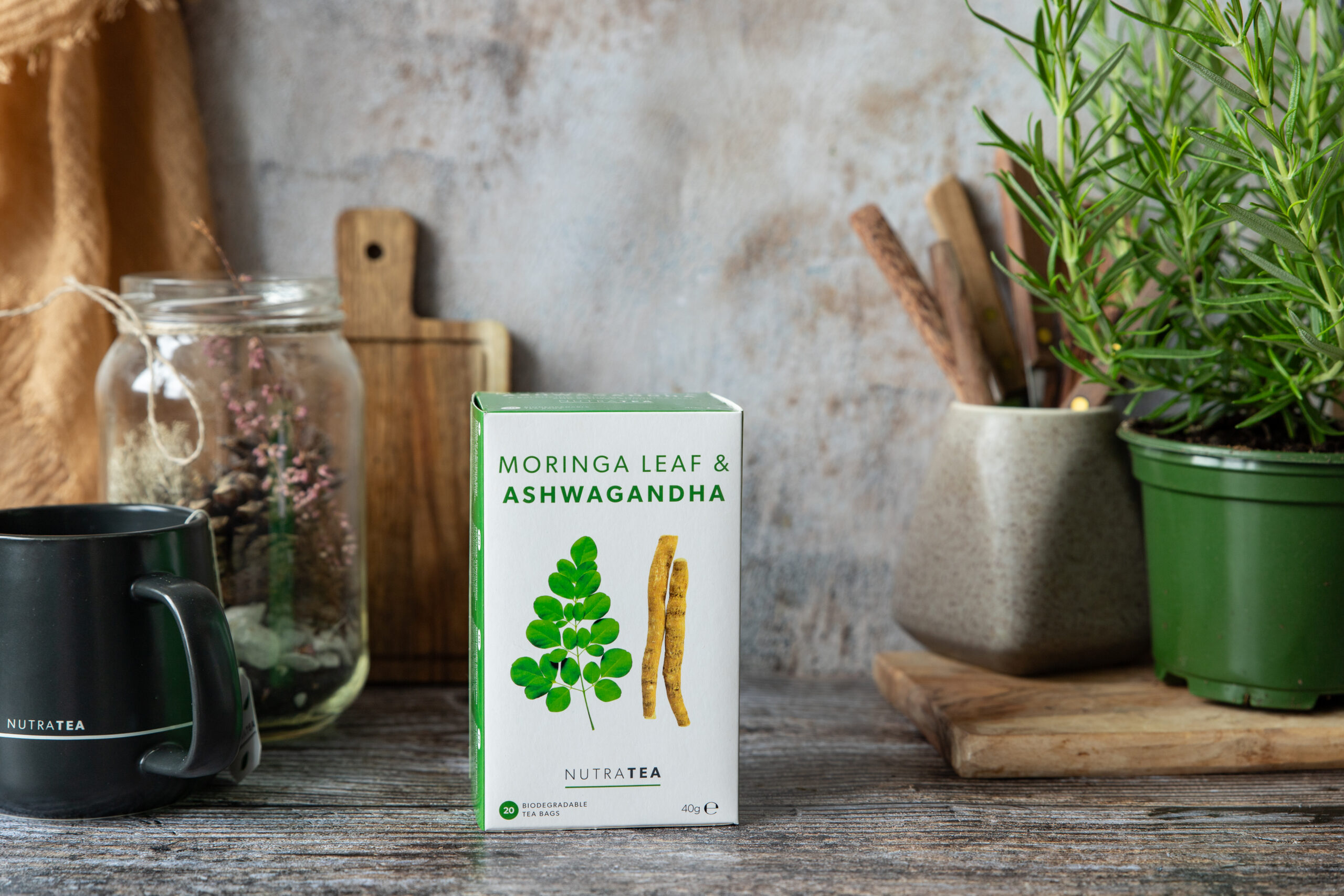
NutraTea’s Moringa Leaf & Ashwagandha blend combines moringa (Moringa oleifera) with ashwagandha (Withania somnifera), another herb with a long history of traditional use.
If you’re interested in exploring ashwagandha in tea, this blend offers an opportunity to experience two ingredients with long histories of traditional use. Both moringa and ashwagandha continue to attract attention from people looking to build balanced daily wellness routines.
By combining traditional herbs with modern convenience, tea blends help make these ingredients accessible to a wider audience while preserving the heritage and stories behind them.
A traditional herb with growing modern appeal
Few herbal ingredients have experienced a rise in popularity quite like moringa.
From village kitchens and traditional wellness practices to modern tea blends and wellness routines, moringa has travelled a remarkable journey. Its story reflects a broader trend within modern wellbeing, where consumers are rediscovering traditional ingredients and exploring how they fit into contemporary lifestyles.
Whether you’re researching moringa tea benefits, exploring moringa tea for energy, or learning more about the advantages of moringa leaf, one thing is clear: this centuries-old herb continues to find new relevance in the modern world.
Frequently Asked Questions
What are the benefits of moringa tea?
Moringa tea is valued for its nutritional profile, traditional use and popularity within modern wellness routines.
Can moringa tea help with energy?
Many people explore moringa tea for energy because of its nutrient-rich composition and role within balanced lifestyle habits.
What nutrients are found in moringa leaves?
Moringa leaves contain vitamins, minerals, amino acids and naturally occurring plant compounds including polyphenols and flavonoids.
What are the advantages of moringa leaf?
The advantages of moringa leaf include its nutritional density, versatility and long history of traditional use.
Is moringa tea naturally caffeine free?
Yes. Moringa tea is naturally caffeine free, making it a popular choice for people looking to reduce their caffeine intake.