


NutraBlog
The surprising link between hydration and immunity during winter

Think hydration is only a summer concern? Think again. During winter, cold air, indoor heating, and festive routines can quietly deplete your body’s moisture levels, weakening immune defences and slowing recovery from illness. In this blog, we explore the often-overlooked link between hydration and immunity, why your body needs extra support in colder months, and how herbal teas can help. Featuring NutraDefence, Elderberry & Echinacea, NutraThroat, NutraLiver, and Moringa Leaf & Ashwagandha, you’ll discover how staying hydrated isn’t just about drinking more water, it’s about nourishing your body with functional herbs that protect, balance, and strengthen from within.
When winter rolls in, hydration often slips down the priority list. We naturally drink less when it’s cold, yet our bodies still lose moisture, through breathing, heating systems, and even thicker clothing. Over time, these small deficits can take a toll on your health.
Hydration supports every system in the body, including the immune, digestive, and circulatory systems. When you’re even mildly dehydrated, your body struggles to transport nutrients, eliminate waste, and regulate temperature. That’s why keeping your fluids up, particularly through hydrating herbal teas, is one of the easiest ways to strengthen your immunity and stay energised all winter long.
The link between hydration and immunity
Moisture fuels your first line of defence
Your respiratory tract is lined with mucous membranes that trap viruses, bacteria, and environmental irritants. When these tissues dry out, they become less effective, allowing pathogens to enter more easily. Warm fluids, especially herbal teas, keep these membranes moist and functional, supporting your natural defences.
Hydration supports detox and nutrient delivery
Your liver and kidneys rely on adequate fluids to flush out toxins and metabolic waste. Dehydration can slow this process, causing sluggishness and fatigue. Similarly, your blood becomes thicker when you’re dehydrated, making it harder for oxygen and immune cells to circulate efficiently.
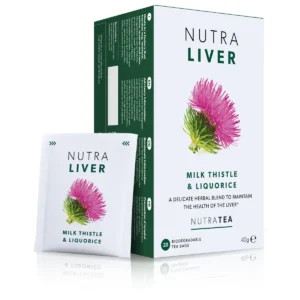
Try NutraLiver, a herbal blend featuring milk thistle, liquorice, peppermint, fennel, and turmeric, all known for supporting detoxification and liver health while you stay gently hydrated.
The hidden risks of winter dehydration
You might not notice you’re dehydrated in winter, but the effects can quietly undermine your wellbeing. Common signs include dry skin, headaches, tiredness, and even a weaker immune response.
When hydration levels dip too low, you may also experience:
- Increased fatigue as your metabolism slows and oxygen transport decreases.
- Slower recovery from illness because your immune system can’t flush out toxins efficiently.
- Digestive discomfort, since water helps break down food and move nutrients through the body.
- Brain fog – mild dehydration can reduce cognitive function and concentration.
Even a 1–2% drop in hydration can affect how you feel, so staying topped up really does make a difference.
Hydrating herbs that strengthen and protect
Elderberry & Echinacea – hydration with immune support
Elderberry provides antioxidants and vitamin C, while echinacea helps stimulate immune response and shorten recovery time. Together, they help your body stay strong and hydrated through cold and flu season.

NutraDefence – your daily shield
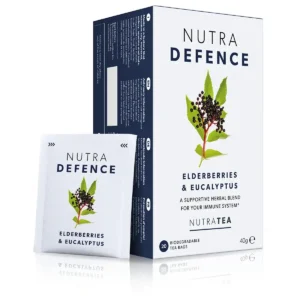
With elderberry, ginger, astragalus, ginseng, and eucalyptus, NutraDefence delivers all-round support for your immune system while helping you maintain fluid balance. It’s your go-to blend when the weather (or your energy) turns.
Moringa Leaf & Ashwagandha – replenish and rebalance
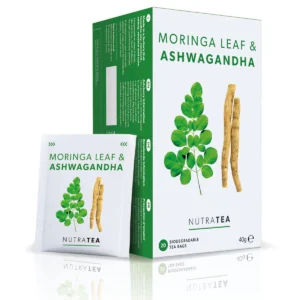
The advantages of Moringa leaf are widely recognised. Moringa nourishes cells with vitamins and minerals that promote hydration and energy, while ashwagandha helps the body adapt to stress and maintain equilibrium. This caffeine-free blend is ideal for keeping calm and nourished during hectic winter days.
NutraThroat – soothe and hydrate
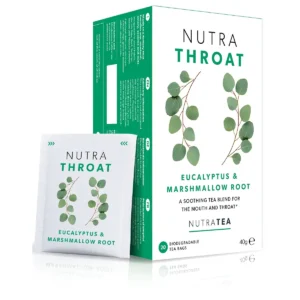
When sore throats or coughs strike, staying hydrated is key. NutraThroat combines liquorice, marshmallow root, slippery elm, eucalyptus, and ginger to coat and protect throat tissues while easing irritation, a warming way to restore comfort and moisture.
Smart hydration habits for the colder months
Staying hydrated in winter doesn’t mean drinking cold water all day. Small, consistent habits make the biggest impact:
- Start your morning with a warm herbal tea to rehydrate after sleep.
- Sip throughout the day, even when you’re not thirsty. Thirst often lags behind your body’s needs.
- Eat hydrating foods like soups, stews, oranges, and cucumbers.
- Limit alcohol and excess caffeine, which can dehydrate the body.
- Keep a mug nearby while you work or relax, gentle, frequent hydration is more effective than large, infrequent drinks.
Hydrate your way to better immunity
Hydration is one of the simplest, yet most overlooked, ways to stay well in winter. Combined with powerful herbs, it can transform your daily routine into a source of strength and protection.
Blends like Elderberry & Echinacea, NutraDefence, NutraLiver, and Moringa Leaf & Ashwagandha nourish your body with natural compounds that support both hydration and immune balance. Meanwhile, NutraThroat offers soothing comfort when you need it most. So, this season, stay warm, sip often, and keep your defences strong, one herbal cup at a time.
Your Questions Answered
Why does hydration matter for immunity?
Hydration supports detoxification, nutrient absorption, and the moisture of mucous membranes, your body’s first defence against viruses.
How much should I drink in winter?
Aim for 6–8 cups of fluid a day. Herbal teas are a great way to reach this target while adding functional health benefits.
Can herbal teas replace water?
Yes, caffeine-free herbal teas like NutraTea blends count towards your daily water intake.
Which teas are best for immune support?
Elderberry & Echinacea and NutraDefence are excellent choices for immune resilience and recovery support.
How can I tell if I’m dehydrated?
Common signs include dry lips, dull skin, fatigue, headaches, and increased thirst.