


NutraBlog
Raspberry leaf tea during pregnancy: Benefits, traditional uses and what to know

Raspberry leaf tea has been associated with pregnancy for generations and remains one of the most talked-about herbal teas among expectant mothers. Traditionally enjoyed during the later stages of pregnancy, it’s often chosen as part of a daily wellness routine thanks to its naturally caffeine-free nature and long history of herbal use. But what exactly is raspberry leaf tea, why has it become so popular, and what does the evidence say? In this guide, we’ll explore the traditional uses of raspberry leaf tea, separate fact from fiction, and explain how raspberry leaf works alongside other carefully selected herbs in NutraTea’s NutraMother blend.
What is raspberry leaf tea?
Despite the name, raspberry leaf tea isn’t made from raspberries at all.
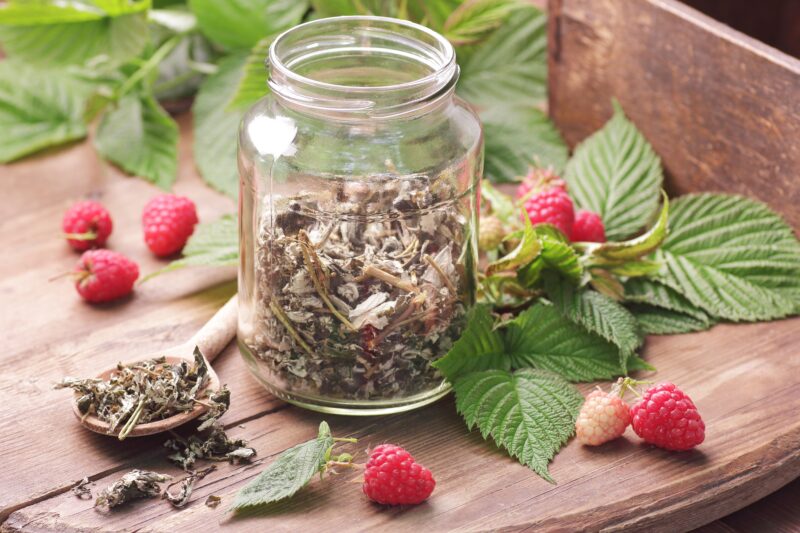
Instead, it’s brewed using the leaves of the red raspberry plant (Rubus idaeus). Once dried, the leaves produce a light, earthy herbal infusion with a subtle flavour that’s very different from the sweet, fruity taste many people expect.
This distinction often surprises people. Raspberry fruit teas are usually made using dried fruit or flavourings and are enjoyed for their taste, whereas raspberry leaf tea has a long history as a traditional herbal infusion, particularly in relation to women’s health.
For centuries, herbalists across Europe and North America have recommended raspberry leaf as part of traditional pregnancy care. While approaches have evolved over time, its popularity has endured, making it one of the best-known herbs associated with pregnancy today.
Why is raspberry leaf tea associated with pregnancy?
Few herbal teas have become as closely linked to pregnancy as raspberry leaf tea.
Historical records suggest that midwives and traditional herbal practitioners have recommended raspberry leaf for hundreds of years, particularly during the later stages of pregnancy. Rather than being viewed as a remedy, it was often considered part of preparing for childbirth alongside good nutrition, rest and hydration.
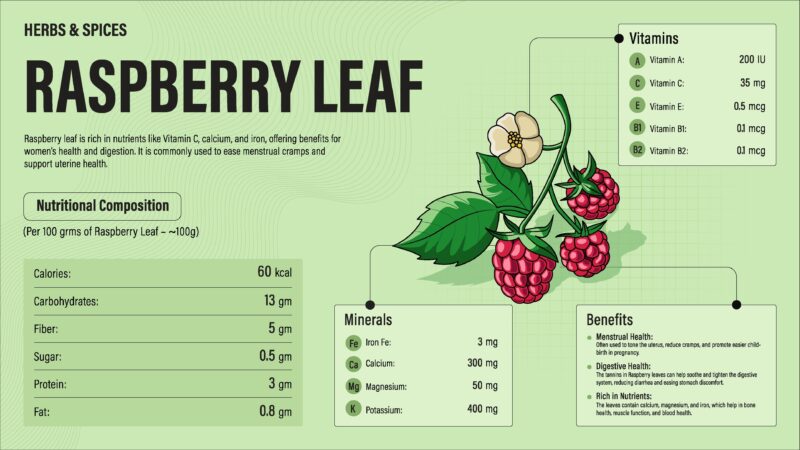
One reason raspberry leaf continues to attract interest is that the leaves contain naturally occurring plant compounds, including tannins, flavonoids and a range of vitamins and minerals. Researchers continue to investigate how these compounds may contribute to the plant’s traditional uses, although much of raspberry leaf’s reputation is still rooted in historical experience rather than definitive scientific evidence.
Today, many women choose raspberry leaf tea because they appreciate its long-standing place in herbal traditions and enjoy incorporating a naturally caffeine-free herbal tea into their daily routine.
What are the traditional benefits of raspberry leaf tea?
Raspberry leaf tea has been used in traditional herbal practices for generations, particularly during the later stages of pregnancy.
Historically, it has been enjoyed because it was believed to:
- support the uterus as pregnancy progresses
- help prepare the body for labour
- provide naturally occurring minerals such as magnesium, potassium and calcium
- encourage hydration through regular fluid intake
- offer a naturally caffeine-free alternative to tea and coffee.
It’s important to distinguish between traditional use and scientific evidence.
Although raspberry leaf tea has an impressive history, modern research into its effects during pregnancy remains limited. Some studies have explored potential benefits, while others have found little measurable difference, meaning there isn’t yet enough high-quality evidence to draw firm conclusions.
For this reason, raspberry leaf tea is generally viewed as a traditional herbal drink rather than a proven medical intervention. If you’re pregnant and considering adding herbal teas to your routine, it’s always sensible to speak with your midwife or healthcare professional first.
When do people usually start drinking raspberry leaf tea?
One of the most common questions surrounding raspberry leaf tea isn’t whether to drink it, but when.
Traditionally, raspberry leaf tea is associated with the later stages of pregnancy, rather than the first or second trimester. Many women who choose to drink it begin towards the end of pregnancy, often following advice from their midwife or healthcare provider.
This timing reflects its traditional role in preparing for childbirth, rather than supporting pregnancy as a whole.
Every pregnancy is different, however, and what feels appropriate for one person may not be suitable for another. That’s why it’s always best to seek personalised advice before introducing any herbal products during pregnancy.
Raspberry leaf tea myths: Separating fact from fiction
Like many traditional herbs, raspberry leaf tea is surrounded by plenty of myths.
Does raspberry leaf tea induce labour?
This is one of the biggest misconceptions.
Raspberry leaf tea has traditionally been associated with preparing the body for labour, not starting labour. There is currently no strong evidence to suggest that simply drinking raspberry leaf tea will induce labour.
Is raspberry leaf tea the same as raspberry tea?
No.
Raspberry fruit tea is usually made from raspberries or fruit flavourings and is enjoyed for its sweet taste.
Raspberry leaf tea is made from the leaves of the raspberry plant and has an entirely different flavour, composition and traditional use.
Is raspberry leaf tea suitable throughout pregnancy?
Because advice varies depending on individual circumstances, many healthcare professionals recommend discussing raspberry leaf tea with your midwife before introducing it, particularly earlier in pregnancy.
What nutrients are found in raspberry leaves?
Although raspberry leaf tea isn’t consumed as a nutritional supplement, the leaves naturally contain a variety of vitamins, minerals and plant compounds.
These include:
- magnesium
- potassium
- calcium
- iron
- tannins
- flavonoids.
The amount that ends up in a brewed cup of tea can vary depending on factors such as the growing conditions, processing methods and brewing time, so raspberry leaf tea shouldn’t be relied upon as a significant source of nutrients. Instead, it’s best appreciated as part of a balanced diet and healthy lifestyle.
Why is raspberry leaf often paired with peppermint?
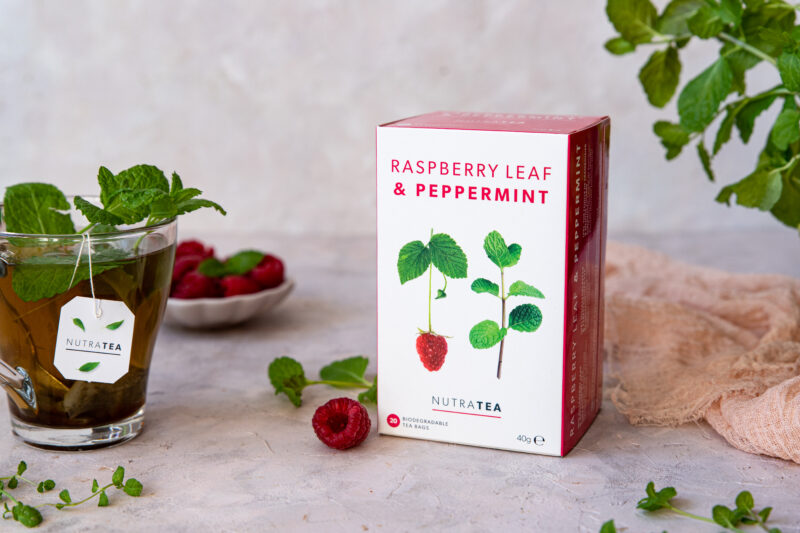
One of the reasons NutraTea’s Raspberry Leaf & Peppermint Tea has become such a popular pregnancy blend is because the two herbs complement each other naturally.
Raspberry leaf has long been associated with pregnancy and is traditionally enjoyed during the later stages, while peppermint brings a fresh, cooling flavour that makes the tea particularly refreshing to drink. Peppermint has also traditionally been used to support healthy digestion and relaxation, making it a natural companion to raspberry leaf.
NutraTea’s Raspberry Leaf & Peppermint Tea contains 70% raspberry leaf and 30% peppermint, creating a simple two-herb blend that lets both ingredients shine. It is naturally caffeine free and is commonly enjoyed from the third trimester onwards, although it’s always advisable to speak with your midwife or healthcare professional before introducing herbal teas during pregnancy.
Raspberry leaf isn’t just for pregnancy
Although raspberry leaf is most closely associated with pregnancy, its traditional use doesn’t end there.
At NutraTea, raspberry leaf also appears in NutraMother, where it’s combined with herbs including fenugreek, fennel, chamomile, nettle and shatavari as part of a carefully balanced postnatal blend.
It’s also one of the botanicals included in NutraMeno, where it sits alongside ingredients such as red clover, sage, lemon balm and shatavari in a blend created to support women during perimenopause and menopause.
The fact that raspberry leaf appears in blends designed for different stages of a woman’s life reflects its long-standing place in traditional herbal practice. Rather than being viewed solely as a pregnancy herb, it has been valued for generations as part of broader women’s wellbeing traditions.
Why raspberry leaf tea continues to be a trusted herbal tradition
Raspberry leaf tea has earned its reputation over hundreds of years of traditional use, becoming one of the best-known herbs associated with pregnancy.
While modern research is still developing, many women continue to choose raspberry leaf tea because they value its long history, naturally caffeine-free nature and place within established herbal traditions.
Whether you choose a simple Raspberry Leaf & Peppermint Tea during pregnancy or discover raspberry leaf as part of blends such as NutraMother or NutraMeno, it’s clear why this traditional herb has remained a favourite for generations. Its rich history, naturally caffeine-free nature and enduring place in herbal traditions continue to make it one of the most recognisable herbs in women’s wellness.
Frequently Asked Questions
What is raspberry leaf tea?
Raspberry leaf tea is a herbal infusion made from the dried leaves of the red raspberry plant (Rubus idaeus), rather than the fruit itself.
What is raspberry leaf tea traditionally used for?
It has traditionally been associated with pregnancy, particularly during the later stages, although it has also been used more broadly in herbal practices relating to women’s wellbeing.
When do people usually start drinking raspberry leaf tea?
Many women who choose raspberry leaf tea begin during the third trimester, although it’s always advisable to seek guidance from a midwife or healthcare professional.
Does raspberry leaf tea induce labour?
There is currently no strong evidence that raspberry leaf tea induces labour. Traditionally, it has been associated with preparing the body for childbirth rather than triggering labour itself.
Is raspberry leaf tea naturally caffeine free?
Yes. Raspberry leaf tea is naturally caffeine free, making it a popular alternative to traditional tea and coffee.
Does NutraMother contain raspberry leaf?
Yes. Raspberry leaf is one of the carefully selected herbs included in NutraTea’s NutraMother blend, alongside ingredients such as fenugreek, fennel, chamomile, nettle, blessed thistle, shatavari root and caraway.