


NutraBlog
How herbal teas can support heart health and metabolic balance

Herbal teas offer a natural way to support heart health and metabolic balance. From improving circulation and cardiovascular health to supporting blood sugar and cholesterol balance, certain herbs contain powerful plant compounds that help protect the heart and influence how the body processes energy.
Rather than acting in isolation, the heart and metabolism influence each other in subtle but significant ways.
In this guide, we explore key anti-inflammatory herbs and functional ingredients that contribute to cardiovascular and metabolic wellbeing, alongside NutraTea blends that make it easier to build heart-friendly habits into your daily routine.
Why heart health and metabolic balance are closely linked
Heart health and metabolism are deeply connected. When metabolic processes such as blood sugar regulation, fat metabolism, and inflammation are out of balance, the cardiovascular system often feels the impact.
Over time, factors like stress, diet, poor sleep, and inactivity can affect circulation, cholesterol levels, and blood sugar control. Supporting these systems early with lifestyle habits and functional ingredients can help maintain long-term wellbeing.
Herbal teas offer a gentle, accessible way to support both heart health and metabolic balance, providing bioactive compounds that work with the body rather than against it.
Herbal teas for heart health and circulation
When we think about heart health, we often think about cholesterol or blood pressure. But circulation, how efficiently blood moves through the body, is just as important.
Many herbs traditionally used in teas are rich in antioxidants and polyphenols that contribute to circulation and cardiovascular health. These compounds help protect blood vessels from oxidative stress and support healthy blood flow, which is essential for long-term heart function.
Key ingredients that support circulation and cardiovascular health
Turmeric
Turmeric is widely recognised for its active compound curcumin, which has been studied for its role in supporting vascular health. By helping to moderate inflammatory pathways and oxidative stress, turmeric may contribute to healthier blood vessels and more efficient circulation.
Cinnamon
Cinnamon is valued not only for its warming flavour but also for its potential role in cardiovascular health. Traditionally used to support circulation, it has also been linked to metabolic processes that influence how the body manages energy and nutrients.
Moringa leaf
Moringa leaf stands out for its exceptional nutrient density, providing antioxidants, minerals, and phytonutrients that support cellular health. Rather than targeting a single function, moringa contributes to overall metabolic and cardiovascular resilience, making it a valuable long-term support herb.
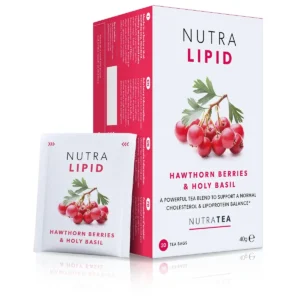
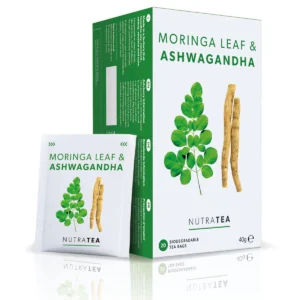
These ingredients are found in blends such as Turmeric & Cinnamon, NutraLipid, and Moringa Leaf & Ashwagandha, offering a practical way to integrate heart-supportive herbs into daily routines.

Blood sugar and cholesterol balance through herbal ingredients
Metabolism isn’t just about weight. It’s about how efficiently your body manages fuel, hormones, and energy.
Maintaining blood sugar and cholesterol balance is a cornerstone of metabolic health. When these markers are poorly regulated, the cardiovascular system can come under additional strain.
Certain herbs may influence glucose metabolism and lipid regulation by supporting insulin sensitivity, liver function, and antioxidant defences, making them valuable additions to a heart-conscious lifestyle.
Herbs that support metabolic balance
Cinnamon
Cinnamon has been widely studied for its potential role in metabolic health. Research suggests it may help support stable blood sugar levels and influence insulin sensitivity, making it particularly relevant for maintaining blood sugar and cholesterol balance as part of a healthy lifestyle.
Bitter and cleansing herbs
Herbs traditionally used to support liver and digestive function can play an indirect role in cholesterol metabolism and fat processing.
Adaptogenic herbs
Adaptogens are herbs that help the body respond more effectively to physical and emotional stress. By influencing cortisol regulation and energy balance, adaptogenic herbs can indirectly support metabolic stability, which is closely connected to blood sugar regulation and cardiovascular health.
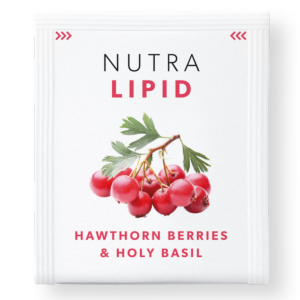
NutraTea blends such as NutraGlycemia and NutraLipid incorporate these principles, combining functional ingredients designed to support metabolic pathways.

Anti-inflammatory herbs and their role in heart health
Not all inflammation is visible. In fact, low-grade inflammation often develops quietly, long before symptoms appear.
Chronic inflammation plays a central role in both cardiovascular and metabolic health. Over time, low-grade inflammation can affect blood vessels, metabolic pathways, and overall resilience.
Many anti-inflammatory herbs used in herbal teas help moderate this response, offering a gentle way to protect the heart while supporting broader metabolic balance.
Key anti-inflammatory herbs for cardiovascular wellbeing
Turmeric
Turmeric is one of the most widely studied anti-inflammatory herbs, with curcumin playing a key role in regulating inflammatory responses linked to cardiovascular and metabolic health.
Ginger
Ginger is often thought of as a digestive herb, but its benefits extend far beyond the stomach. Its bioactive compounds, including gingerols and shogaols, have been studied for their role in modulating inflammation and supporting digestive efficiency. Because digestion, inflammation, and metabolism are closely linked, ginger plays a valuable supporting role in cardiovascular and metabolic balance.
Herbal antioxidants
Many herbs contain flavonoids and polyphenols that neutralise free radicals, protecting cells from oxidative stress.
By regularly consuming anti-inflammatory herbs through herbal teas, it’s possible to support long-term heart health in a gentle, sustainable way.
How to build a heart-supportive herbal tea routine
Supporting heart health doesn’t have to feel overwhelming. Small, consistent habits can make a meaningful difference over time.
Consider:
- Choosing herbal teas that support circulation and metabolic balance
- Reducing sugary drinks and replacing them with functional herbal blends
- Drinking herbal tea regularly rather than occasionally
- Pairing tea rituals with balanced nutrition and movement
Blends such as Turmeric & Cinnamon, NutraGlycemia, NutraLipid, and Moringa Leaf & Ashwagandha can complement a heart-conscious lifestyle without feeling restrictive.
Supporting heart health, one cup at a time
Improving heart health doesn’t always require drastic changes or complicated routines. Often, it starts with small, consistent choices that work with your body rather than against it.
Herbal teas, with their blend of antioxidants, anti-inflammatory compounds, and metabolic-supporting herbs, offer a simple way to nurture both heart health and metabolic balance, one cup at a time.
Your Questions Answered
Can herbal teas really support heart health?
Yes. Many herbs contain antioxidants and anti-inflammatory compounds that support circulation, reduce oxidative stress, and promote cardiovascular health as part of a balanced lifestyle.
Which herbs are best for blood sugar and cholesterol balance?
Cinnamon, turmeric, and certain bitter herbs are commonly associated with metabolic support. These ingredients may help regulate blood sugar levels and support healthy cholesterol.
Are herbal teas better than supplements for heart health?
Herbal teas can complement supplements and lifestyle changes. They provide gentle, consistent support and are easy to incorporate into daily routines.
How often should I drink herbal tea for heart health support?
Most people benefit from drinking 1–3 cups daily. Consistency is more important than quantity.