


NutraBlog
Chamomile tea benefits: Why this calming herb has stood the test of time
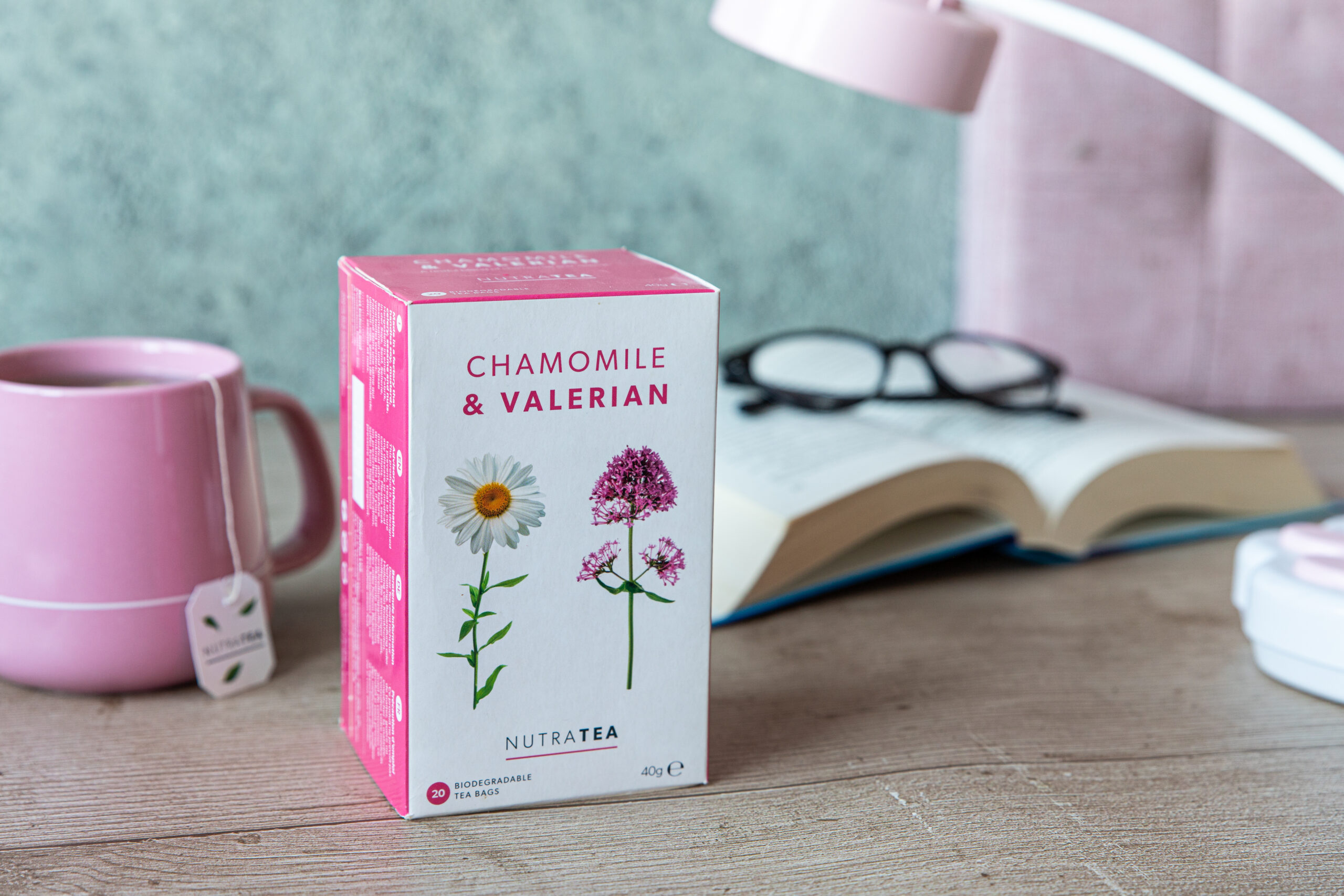
For thousands of years, chamomile tea has been enjoyed as one of the world’s most popular herbal infusions. From Ancient Egypt to modern bedtime routines, this gentle, naturally caffeine-free tea has earned a reputation for helping people slow down and unwind. Today, chamomile remains a staple in homes around the world, whether enjoyed on its own or blended with complementary herbs. In this guide, we’ll explore the benefits of chamomile tea, its fascinating history, why it’s still one of the most widely used herbs in wellness today, and how NutraTea combines chamomile with carefully selected botanicals in several of its herbal blends.
What are the benefits of chamomile tea?
Chamomile tea has remained one of the world’s most popular herbal teas for thousands of years, not because of passing trends, but because people continue to enjoy it for a variety of reasons.
Some of the most commonly recognised chamomile tea benefits include:
- Naturally caffeine free – Chamomile is naturally free from caffeine, making it a popular choice in the evening or for anyone looking to reduce their caffeine intake.
- Traditionally associated with relaxation – One of chamomile’s best-known uses is as a calming herbal tea. Many people enjoy a cup as part of their bedtime routine or whenever they want to unwind after a busy day.
- Gentle on the digestive system – Chamomile has a long history of traditional use after meals and is often enjoyed as a soothing herbal drink following a large meal.
- Rich in natural plant compounds – Chamomile flowers contain flavonoids and antioxidants, including apigenin, which continue to be studied by researchers for their potential role in health and wellbeing.
- Easy to enjoy every day – Thanks to its mild floral flavour, chamomile is one of the easiest herbal teas to incorporate into a daily routine, whether on its own or blended with other botanicals.
Although many of these uses are rooted in centuries of traditional herbal practice, research into chamomile is still ongoing. For many people, however, the greatest benefit is much simpler: taking a few minutes to slow down with a warm, comforting cup of tea.

What is chamomile?
Chamomile is a flowering plant belonging to the daisy family, with two main varieties used in herbal teas: German chamomile (Matricaria chamomilla) and Roman chamomile (Chamaemelum nobile).
Both have been used in traditional herbal practices for centuries, although German chamomile is the variety most commonly found in herbal tea blends today.
Known for its small white petals and bright yellow centres, chamomile produces a naturally sweet, floral infusion that’s gentle enough to enjoy at almost any time of day.
Its popularity has endured for thousands of years, making it one of the oldest and most widely recognised herbs still enjoyed today.
Why has chamomile remained so popular?
Chamomile’s story stretches back to some of the world’s earliest civilisations.
The Ancient Egyptians considered chamomile a sacred herb and dedicated it to the sun god Ra, while the Greeks and Romans used it extensively in traditional herbal remedies. Throughout medieval Europe, chamomile became a familiar feature in monastery gardens, where herbs were cultivated for both culinary and traditional wellness purposes.
Despite the passing of centuries, chamomile has never really gone out of fashion.
Unlike many wellness trends that come and go, chamomile has remained a trusted favourite because it fits naturally into everyday life. Whether enjoyed as part of an evening routine or simply as a comforting hot drink, its appeal lies in its simplicity.

What makes chamomile unique?
Part of chamomile’s enduring popularity comes from the naturally occurring plant compounds found within its flowers.
Researchers continue to study compounds including apigenin, a naturally occurring flavonoid that has attracted scientific interest because of the way it interacts with the body. Chamomile also contains a range of other flavonoids and essential oils that contribute to its distinctive aroma and character.
Apigenin is one of the best-known flavonoids found in chamomile flowers and has attracted scientific interest because of the way it interacts with receptors in the brain. Chamomile also contains other naturally occurring antioxidants and essential oils, which contribute to both its distinctive aroma and its long history in herbal traditions. While research continues, many of chamomile’s traditional uses are based on centuries of cultural experience rather than modern clinical evidence alone.
While scientists continue to explore these compounds, chamomile’s place in herbal traditions has always been built on far more than individual ingredients. For many people, it’s the overall experience of drinking chamomile tea – the warmth, the aroma and the opportunity to pause – that makes it such a lasting favourite.
Why is chamomile found in so many herbal tea blends?
One of chamomile’s greatest strengths is its versatility.
Rather than being used for just one purpose, chamomile complements a wide variety of herbs, making it one of the most widely used ingredients in herbal tea blends.
For example, NutraRelax combines chamomile with calming botanicals such as lemon balm and lavender to create a soothing evening blend.
In Chamomile & Valerian Tea, chamomile is paired with valerian root, another herb that’s traditionally associated with relaxation, creating a simple blend centred around two well-known calming ingredients.
Chamomile also appears in NutraPreg, where it sits alongside carefully selected herbs for pregnancy, and in NutraMother, where it complements traditional postnatal herbs including fenugreek and fennel.
Each blend uses chamomile in a slightly different way, demonstrating why it has remained one of the most adaptable herbs in the world of herbal tea.
A calming ritual in a busy world
Modern life rarely slows down.
Between work, family commitments and endless notifications, many of us struggle to find even a few quiet moments during the day.
That’s one reason chamomile tea continues to feel so relevant.
Preparing a warm cup of tea encourages us to step away from screens, slow our breathing and enjoy a few uninterrupted minutes. Whether it’s part of a bedtime routine, an afternoon break or simply a comforting drink after dinner, chamomile has become synonymous with taking a moment for yourself.
Sometimes, the ritual itself is just as valuable as the ingredients in the cup.
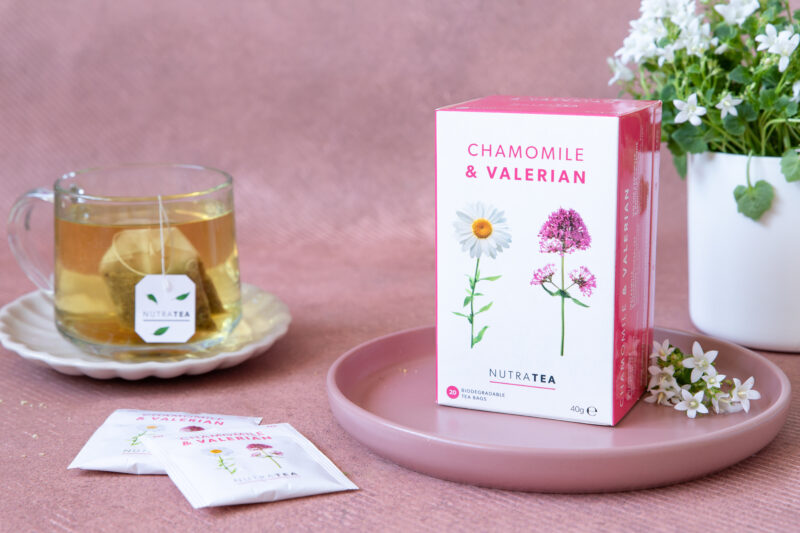
Discover NutraTea’s chamomile blends
At NutraTea, chamomile features in several carefully developed herbal blends, each designed with a different purpose in mind.
Whether paired with valerian for a relaxing evening tea, blended with complementary herbs in NutraRelax, or included as part of the thoughtfully balanced NutraPreg and NutraMother recipes, chamomile remains at the heart of some of the brand’s most popular teas.
Rather than relying on a single ingredient, these blends combine traditional herbal knowledge with carefully selected botanicals to create naturally caffeine-free teas that fit easily into modern daily routines.
Why chamomile tea continues to earn its place in modern life
Few herbs have stood the test of time quite like chamomile.
From ancient civilisations to today’s kitchens, it has remained one of the world’s most loved herbal teas thanks to its gentle flavour, naturally caffeine-free nature and centuries of traditional use.
Whether enjoyed on its own or blended with complementary herbs, chamomile continues to offer something that’s increasingly valuable in today’s busy world—a simple opportunity to slow down, switch off and enjoy a quiet moment with a comforting cup of tea.
How to enjoy chamomile tea
Chamomile tea is incredibly versatile and can be enjoyed throughout the year.
Many people prefer it:
- after dinner
- as part of an evening wind-down routine
- while reading or relaxing
- instead of caffeinated drinks later in the day
- before settling down for the evening
Chamomile also works well with a slice of lemon or a drizzle of honey if you prefer a slightly sweeter flavour.
Frequently Asked Questions
What are the benefits of chamomile tea?
Chamomile tea is traditionally enjoyed as a naturally caffeine-free herbal drink and has been used for centuries as part of evening routines and moments of relaxation. It remains one of the world’s most popular herbal teas thanks to its gentle flavour and long history of traditional use.
Is chamomile tea naturally caffeine free?
Yes. Chamomile is naturally caffeine free, making it a popular alternative to black tea and coffee, particularly later in the day.
When is the best time to drink chamomile tea?
Many people choose chamomile tea during the evening or before bed as part of a relaxing routine, although it can be enjoyed at any time of day.
Can I drink chamomile tea every day?
Chamomile tea is commonly enjoyed as part of a balanced daily routine. If you’re pregnant, breastfeeding, taking medication or have any medical concerns, it’s always sensible to seek advice from your healthcare professional before introducing new herbal products.