


NutraBlog
PCOS symptoms, causes and natural ways to support hormonal health

Polycystic Ovary Syndrome (PCOS) is one of the most common hormonal conditions affecting women of reproductive age, yet many people live with symptoms for years before receiving a diagnosis. From irregular periods and acne to fertility challenges and unwanted hair growth, PCOS can affect many aspects of physical and emotional wellbeing. While there is no cure, many women successfully manage their symptoms through medical treatment, lifestyle changes and supportive self-care habits. In this guide, we’ll explain what PCOS is, the symptoms to look out for, what causes it, and how natural approaches – including herbs such as spearmint and white peony – have traditionally been used as part of a wider wellbeing routine.
What is PCOS?
Polycystic Ovary Syndrome, commonly known as PCOS, is a complex hormonal condition that affects how the ovaries function. It is one of the most common endocrine disorders affecting women of reproductive age and can influence much more than fertility alone.
Despite its name, PCOS isn’t simply a condition involving ovarian cysts. In fact, not everyone diagnosed with PCOS has cysts on their ovaries, while many women with ovarian cysts don’t have PCOS. The condition affects the body’s hormones, metabolism and reproductive system, which is why symptoms can vary so widely from one person to another.
You may also hear PCOS referred to as PMOS (Polyendocrine Metabolic Ovarian Syndrome). In 2026, an international panel of experts recommended changing the name to better reflect the fact that it’s a hormonal and metabolic condition, rather than one that’s solely related to the ovaries. However, as PCOS remains the term most people recognise and search for, we’ll use that name throughout this guide.
How common is PCOS?
PCOS is far more common than many people realise.
It’s estimated to affect around one in every ten women of reproductive age, although some experts believe the true number may be even higher because many cases remain undiagnosed.
One reason for this is that symptoms often develop gradually and can easily be mistaken for unrelated issues. Someone may seek treatment for acne without realising it’s linked to their hormones, while another person may only discover they have PCOS when investigating fertility concerns.
This variation in symptoms means there’s no single “typical” experience of PCOS. For some women, symptoms are mild. For others, they can have a significant impact on everyday life.
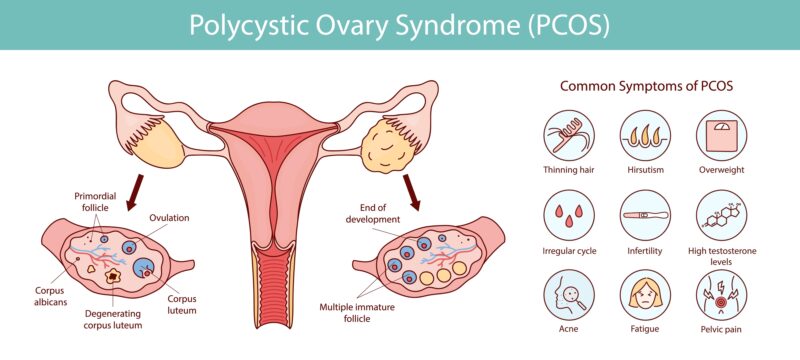
What are the symptoms of PCOS?
PCOS can affect every woman differently, but some symptoms are particularly common.
Irregular or absent periods
Hormonal imbalances can affect ovulation, leading to irregular menstrual cycles or periods that stop altogether.
Acne and oily skin
Higher levels of certain hormones can increase oil production, contributing to persistent acne that often continues beyond the teenage years.
Excess facial or body hair
Some women experience increased hair growth on the face, chest or abdomen due to elevated androgen (male hormone) levels.
Thinning hair
While some women notice increased hair growth in certain areas, others experience thinning hair or hair loss on the scalp.
Difficulty becoming pregnant
Because ovulation may occur less frequently, PCOS is one of the most common causes of fertility difficulties. However, many women with PCOS do go on to conceive naturally or with medical support.
Weight changes
Although not everyone with PCOS is overweight, many women find it easier to gain weight and harder to lose it.
Fatigue
Hormonal changes, disrupted sleep and insulin resistance can all contribute to ongoing tiredness.
Changes in mood
Living with unpredictable symptoms can affect confidence and emotional wellbeing, with some women experiencing increased anxiety or low mood alongside their physical symptoms.
What causes PCOS?
Despite how common PCOS is, there’s no single known cause.
Instead, experts believe it develops through a combination of factors.
Genetics
PCOS often runs in families, suggesting that inherited genes play an important role.
Hormone imbalance
Women with PCOS often have higher levels of androgens, sometimes referred to as male hormones. These can interfere with ovulation and contribute to symptoms such as acne and excess hair growth.
Insulin resistance
Many women with PCOS also experience insulin resistance, where the body’s cells don’t respond effectively to insulin. This can make it harder to regulate blood sugar levels and may contribute to weight gain and hormone changes.
Lifestyle and environmental factors
While lifestyle doesn’t cause PCOS, factors such as diet, physical activity, sleep and stress can influence how symptoms are experienced and managed.
How is PCOS diagnosed?
There isn’t a single test that confirms PCOS.
Instead, healthcare professionals usually consider a combination of symptoms, blood tests and ultrasound findings while ruling out other possible causes.
Diagnosis often involves looking at:
- menstrual history
- hormone levels
- signs of excess androgens
- ovarian appearance on ultrasound
Not everyone will have all of these features, which is another reason why diagnosis can sometimes take time.
If you think you may have PCOS, it’s important to speak with your GP or healthcare professional for assessment and advice.
Can PCOS be cured?
At the moment, there isn’t a cure for PCOS, but that doesn’t mean symptoms can’t be managed effectively.
Many women find that, with the right combination of medical care, lifestyle changes and ongoing support, they can successfully manage their symptoms and lead healthy, active lives.
Treatment is highly individual because PCOS affects everyone differently. For some women, the priority may be regulating their menstrual cycle, while others may be focused on improving fertility, managing acne or reducing unwanted hair growth.
It’s also worth remembering that symptoms can change over time. Hormonal changes, age, pregnancy and lifestyle factors can all influence how PCOS presents, which is why regular check-ups and personalised healthcare are so important.
Rather than looking for a single cure, many healthcare professionals encourage a long-term approach that focuses on improving overall health, supporting hormone balance and managing symptoms in a way that works for the individual.

How is PCOS usually managed?
Although there is currently no cure for PCOS, many women successfully manage their symptoms with the right support.
Treatment varies depending on the individual’s symptoms and goals.
This may include:
- lifestyle changes, including balanced nutrition and regular exercise
- support with maintaining a healthy weight where appropriate
- medication to regulate periods or manage hormone levels
- fertility treatment if pregnancy is planned
- support for symptoms such as acne or excess hair growth
Regular check-ups are also important, as PCOS can increase the risk of certain long-term health conditions, including type 2 diabetes and cardiovascular disease.
Natural ways to support hormonal health
Alongside medical care, many women choose to focus on everyday habits that support their overall wellbeing.
These aren’t cures for PCOS, but they can play an important role in helping people feel their best.
Eat a balanced diet
Including plenty of fibre, protein, healthy fats and colourful fruit and vegetables can help support overall health and provide steady energy throughout the day.
Stay active
Regular movement doesn’t have to mean intense exercise. Walking, swimming, yoga or strength training can all contribute to physical and mental wellbeing.
Prioritise sleep
Poor sleep can influence hormones, appetite and energy levels. Building a consistent bedtime routine may help improve sleep quality.
Manage stress
Long-term stress can affect both physical and emotional health. Mindfulness, relaxation techniques, hobbies and spending time outdoors are all strategies many people find helpful.
Choose supportive daily rituals
Simple habits, such as taking time to enjoy a naturally caffeine-free herbal tea, can become part of a wider self-care routine.
Why are people talking about spearmint tea for PCOS?
One herbal tea that’s received growing attention in recent years is spearmint tea.
Traditionally, spearmint has been enjoyed for centuries as a refreshing herbal infusion and has long been associated with digestive comfort and women’s wellbeing.
More recently, researchers have explored whether spearmint may influence certain hormone levels, particularly in women with PCOS. While some early studies have produced interesting findings, research is still developing and more high-quality evidence is needed before firm conclusions can be drawn.
This growing interest has helped make spearmint one of the most talked-about herbal teas in discussions around hormone health, but it’s important to remember that it should be viewed as part of a balanced lifestyle rather than as a treatment for PCOS.
Why is white peony often paired with spearmint?
Traditional herbal practices have long combined different botanicals rather than relying on a single herb alone.
One of the best-known combinations is spearmint and white peony.
White peony (Paeonia lactiflora) has been used in Traditional Chinese Medicine for centuries and has traditionally been associated with supporting women’s wellbeing and maintaining balance within the body.
While modern research into white peony continues, its long history of traditional use has made it a popular partner for spearmint in herbal blends.
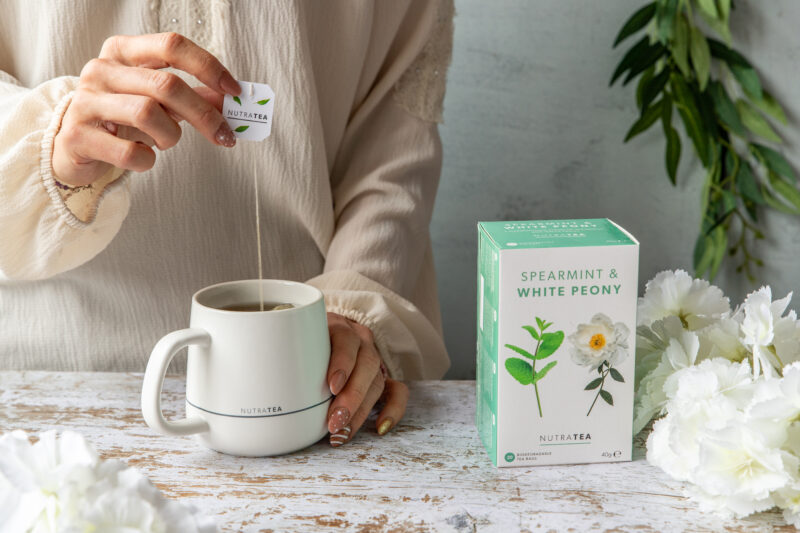
NutraTea’s Spearmint & White Peony Tea brings these two carefully selected botanicals together, combining spearmint’s naturally fresh flavour with the delicate floral notes of white peony in a naturally caffeine-free blend inspired by traditional herbal wisdom.
Herbal tea as part of a holistic approach to PCOS
Living with PCOS often means finding an approach that works for you.
For some women, that involves medication. For others, it may include changes to diet, movement, sleep and stress management. Many people combine several strategies under the guidance of their healthcare team.
Herbal teas can also become part of that wider wellbeing routine. While they shouldn’t replace professional medical advice or prescribed treatment, they can offer a calming daily ritual and an enjoyable way to incorporate traditional botanicals into everyday life.
The key is to think about overall wellbeing rather than searching for a single solution.
When should you speak to your GP?
Many women experience occasional changes to their menstrual cycle, skin or energy levels, but persistent symptoms shouldn’t be ignored.
It’s a good idea to speak with your GP or healthcare professional if you experience:
- Irregular, infrequent or absent periods.
- Persistent acne that doesn’t improve with typical skincare treatments.
- Excess facial or body hair, or noticeable thinning hair on your scalp.
- Difficulty becoming pregnant after trying to conceive.
- Unexplained weight gain or symptoms that are affecting your confidence or quality of life.
- A family history of PCOS and concerns that you may also have the condition.
Getting a diagnosis can feel overwhelming, but it can also be reassuring. Understanding what’s causing your symptoms is often the first step towards finding the right support and developing a personalised management plan.
If you’ve already been diagnosed with PCOS, it’s important to continue attending routine health checks and discussing any new or changing symptoms with your healthcare team.
Herbal tea for PCOS
PCOS is a complex condition that affects millions of women worldwide, yet no two experiences are exactly the same. Understanding the condition, recognising the symptoms and seeking professional advice are the first steps towards finding the right support.
Alongside medical care, many women also explore ways to support their overall wellbeing through healthy lifestyle habits and traditional herbal practices. Herbs such as spearmint and white peony have been valued for generations and continue to be enjoyed today, both for their history and their place in thoughtfully crafted herbal blends.
NutraTea’s Spearmint & White Peony Tea draws on this tradition, bringing together two botanicals with long-standing associations with women’s wellbeing in a refreshing, naturally caffeine-free infusion that fits easily into a balanced lifestyle.
Frequently Asked Questions
What is PCOS?
PCOS (Polycystic Ovary Syndrome) is a common hormonal condition that can affect ovulation, periods, fertility, metabolism and overall wellbeing.
Is PCOS now called PMOS?
Yes. In 2026, experts recommended renaming PCOS to Polyendocrine Metabolic Ovarian Syndrome (PMOS) to better reflect the condition. However, PCOS remains the term most people recognise and search for.
What are the first signs of PCOS?
Common early symptoms include irregular periods, acne, excess facial or body hair, thinning hair and difficulty becoming pregnant, although symptoms vary between individuals.
What causes PCOS?
The exact cause isn’t fully understood, but genetics, hormone imbalances and insulin resistance are all thought to play a role.
Is there a cure for PCOS?
There is currently no cure, but many women successfully manage their symptoms through medical care, lifestyle changes and personalised treatment plans.
Is spearmint tea good for PCOS?
Spearmint tea has become a popular topic because some early research has explored its potential relationship with hormone health. While findings are encouraging, more research is needed, and it shouldn’t be considered a treatment for PCOS.
Why are spearmint and white peony paired together?
Both herbs have long histories in traditional herbal practices relating to women’s wellbeing. NutraTea’s Spearmint & White Peony Tea combines them in a naturally caffeine-free blend inspired by this traditional approach.