

NutraBlog
Can herbal teas help support healthy blood sugar and cholesterol levels naturally?

Interest in blood sugar and cholesterol has grown significantly in recent years as more people take a proactive approach to their health and wellbeing. Alongside balanced nutrition, regular exercise, and healthy lifestyle habits, many people are exploring traditional herbal ingredients that have been used for generations in cultures around the world. Ingredients such as bitter melon, turmeric, cinnamon, and dandelion root are increasingly featured in discussions around metabolic wellbeing and natural wellness routines. In this article, we explore the history of these herbs, the compounds they contain, and why they continue to attract attention today.
Whether it’s a family barbecue, a summer holiday, or simply enjoying more meals outdoors, many of us become more conscious of our health during the warmer months. While there is no single food or drink that can replace a healthy lifestyle, understanding the traditional ingredients that have been valued for generations can help us make more informed choices.
Why are people paying more attention to blood sugar and cholesterol?
Awareness of blood sugar and cholesterol has increased dramatically over the last decade.
Consumers are now more interested in long-term wellbeing than ever before, and many are looking for practical ways to support healthy lifestyle habits. This has led to growing interest in nutrition, movement, sleep, stress management, and the foods and drinks that form part of everyday routines.
As a result, searches for herbal tea for blood sugar support, herbal tea for cholesterol, and herbal teas for metabolic health continue to rise.
While herbal tea should never be viewed as a replacement for medical advice or a balanced lifestyle, it remains one of the most popular ways to incorporate traditional botanical ingredients into daily routines.

Bitter melon: one of the most talked-about herbs for metabolic wellbeing
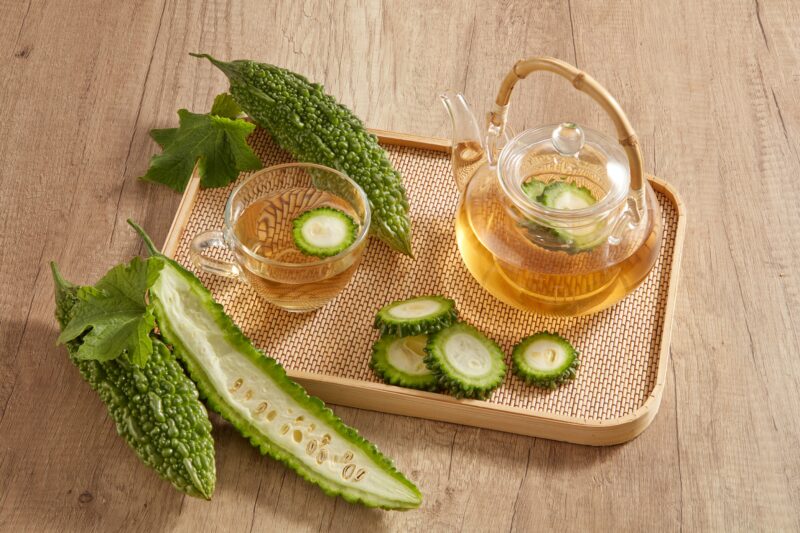
Bitter melon (Momordica charantia) is one of the most recognisable ingredients associated with discussions around blood sugar support.
Native to tropical regions of Asia, Africa, and the Caribbean, bitter melon has been cultivated for centuries as both a food and a traditional herbal ingredient. Its distinctive appearance and intensely bitter flavour make it difficult to confuse with any other plant.
One reason bitter melon continues to attract attention is because it contains naturally occurring compounds including charantin, vicine, and a variety of polyphenols. These compounds have made bitter melon the subject of ongoing scientific interest and contributed to its long-standing place within traditional wellness practices.
Bitter melon is also valued because it contains naturally occurring antioxidants and bioactive plant compounds. While research continues, these compounds are being explored for the role they may play in supporting overall metabolic health as part of a balanced lifestyle.
Today, interest in bitter melon tea benefits continues to grow as consumers look for natural blood sugar support and seek out ingredients with strong traditional roots.
Turmeric: the golden root with a long history
Turmeric (Curcuma longa) has been used throughout South Asia for thousands of years and remains one of the most widely recognised ingredients in herbal wellness.
Traditionally used in both food and Ayurvedic practices, turmeric is prized for its vibrant golden colour and distinctive flavour. It contains naturally occurring compounds known as curcuminoids, including curcumin, which is responsible for much of the root’s characteristic colour.
Curcuminoids are naturally occurring plant compounds with antioxidant properties. Although turmeric has traditionally been used in food and herbal preparations for centuries, modern research continues to explore how these compounds contribute to overall wellbeing and healthy ageing.
In recent years, turmeric has become increasingly popular within wellness circles, leading many consumers to explore turmeric and cinnamon tea benefits as part of a broader interest in traditional ingredients.
Its rich history, culinary versatility, and continued scientific interest have helped cement turmeric’s reputation as one of the world’s most enduring wellness ingredients.
Cinnamon: a spice valued across cultures
Few ingredients have travelled as extensively throughout history as cinnamon (Cinnamomum verum).
Historical records show cinnamon being traded throughout ancient Egypt, China, Rome and the Middle East, where it was often considered one of the most valuable spices available.
Today, cinnamon remains popular not only because of its warm flavour but also because it contains naturally occurring polyphenols and cinnamaldehyde, the compound responsible for its distinctive aroma. Cinnamon also contains naturally occurring antioxidants, which are one reason it continues to attract scientific interest. Alongside its distinctive flavour, this has helped maintain cinnamon’s popularity within both traditional herbal practices and modern wellness routines.
Cinnamon frequently appears alongside turmeric in herbal tea blends because the two ingredients complement each other both in flavour and tradition. Together, turmeric and cinnamon have become one of the most recognisable pairings in herbal wellness, combining rich culinary histories with enduring popularity among modern tea drinkers.
Dandelion root: an overlooked traditional ingredient
Dandelion root (Taraxacum officinale) may be best known as a common wild plant, but it has a surprisingly rich history within traditional herbal practices.
For centuries, the roots have been dried, roasted and brewed into herbal drinks. During periods when coffee was expensive or unavailable, roasted dandelion root was often used as a caffeine-free alternative.
One of the most commonly discussed compounds found in dandelion root is inulin, a naturally occurring soluble fibre. This is one reason dandelion root continues to be explored within conversations around digestive wellbeing and natural wellness.
Dandelion root also contains naturally occurring polyphenols and other plant compounds that continue to attract research interest. Combined with its long history of traditional use, this helps explain why dandelion remains one of today’s most recognisable herbal ingredients.
Today, dandelion root remains a popular ingredient in herbal teas for metabolic health and broader wellbeing routines. Many people also continue to enjoy dandelion root tea as a caffeine-free alternative to coffee, appreciating its rich, earthy flavour and connection to traditional herbal practices.
What do these ingredients have in common?
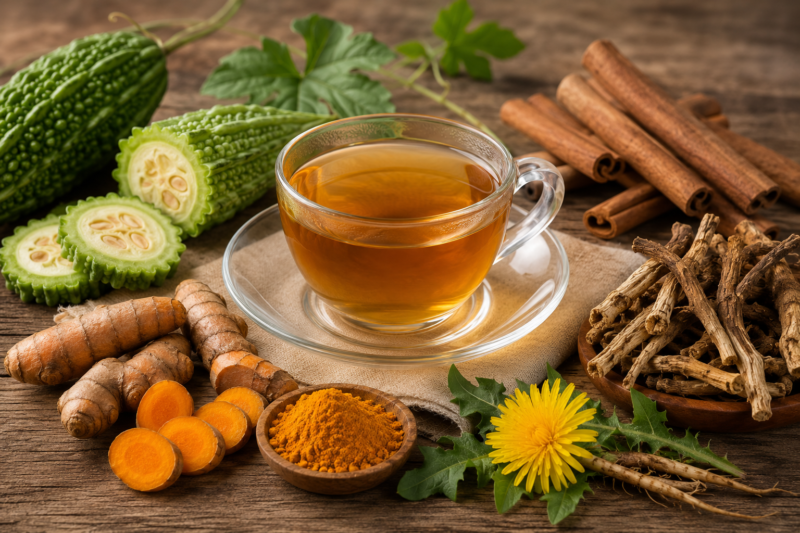
Although bitter melon, turmeric, cinnamon and dandelion root come from different parts of the world and have distinct histories, they share several characteristics that help explain their enduring popularity.
Firstly, all four ingredients have been used traditionally for generations. Long before modern wellness trends emerged, they featured in regional cuisines, herbal preparations and everyday routines.
Secondly, each contains naturally occurring plant compounds that continue to attract scientific interest today. While research is ongoing, these compounds have helped keep traditional herbs relevant in modern discussions around nutrition and wellbeing.
Finally, these ingredients are easy to incorporate into daily life. Whether enjoyed as part of a herbal tea, included in recipes or consumed as part of broader wellness routines, they provide a simple way to connect traditional plant knowledge with contemporary lifestyles.
This combination of history, accessibility and ongoing interest is one reason these ingredients continue to feature prominently in conversations about metabolic wellbeing.
How modern tea blends combine traditional ingredients
One of the reasons herbal tea remains so popular is that it brings together traditional ingredients in a format that is both convenient and enjoyable.
Rather than sourcing and preparing individual herbs, tea drinkers can explore carefully crafted blends that combine complementary ingredients with long histories of traditional use.
NutraTea incorporates many of these botanicals across a range of blends.
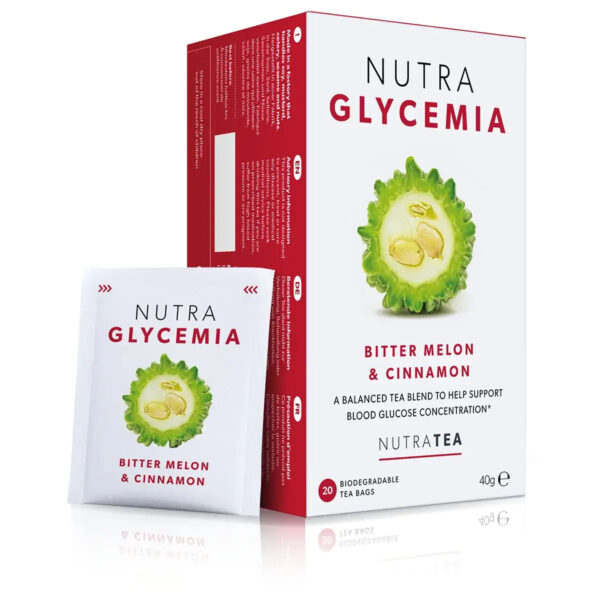
- NutraGlycemia features bitter melon (Momordica charantia), one of the most widely recognised traditional herbs associated with metabolic wellbeing.
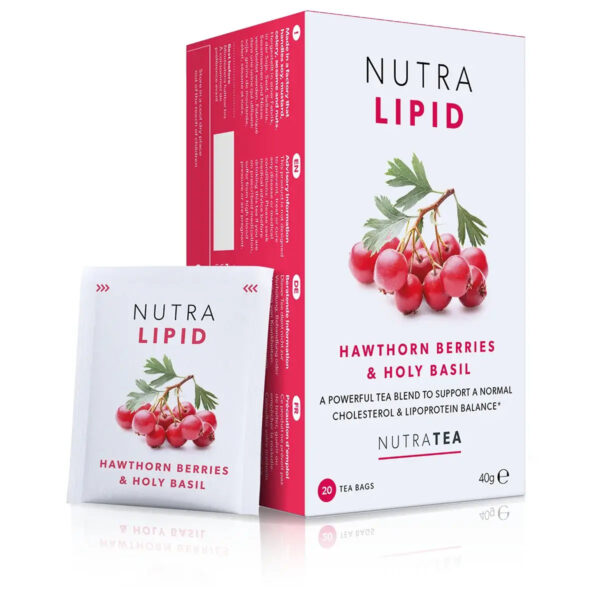
- NutraLipid brings together carefully selected botanical ingredients traditionally linked with heart health and healthy cholesterol as part of a balanced lifestyle.
- Turmeric & Cinnamon combines two ingredients that have been valued across cultures for centuries and are now recognised for their naturally occurring antioxidant compounds.
- NutraCleanse includes dandelion root (Taraxacum officinale), a herb that has long been associated with digestive wellbeing and everyday balance.
By bringing these ingredients together in convenient herbal tea blends, NutraTea makes it easier to enjoy traditional botanicals as part of modern daily routines.
A balanced approach to wellbeing
While no single ingredient can replace the foundations of a healthy lifestyle, herbs such as bitter melon, turmeric, cinnamon and dandelion root demonstrate how traditional botanical knowledge continues to influence modern wellbeing. By combining these ingredients with balanced nutrition, regular movement and healthy daily habits, herbal tea can become one small but enjoyable part of a long-term approach to supporting overall health.
Frequently Asked Questions
What are herbal teas for metabolic health?
This term is often used to describe herbal teas that contain ingredients traditionally associated with balance, wellbeing and healthy lifestyle routines.
What is the most common herbal tea for blood sugar support?
Many discussions around herbal tea for blood sugar support include ingredients such as bitter melon (Momordica charantia), turmeric (Curcuma longa), cinnamon (Cinnamomum verum) and dandelion root (Taraxacum officinale).
What are the benefits of bitter melon tea?
Bitter melon has a long history of traditional use and contains naturally occurring plant compounds that continue to attract scientific and consumer interest.
Why are turmeric and cinnamon often used together?
These ingredients complement one another both in flavour and tradition and frequently appear together in herbal wellness blends.
Can herbal tea help lower cholesterol?
Herbal tea can be enjoyed as part of a balanced lifestyle, but no single food or drink should be relied upon as a replacement for healthy habits or professional medical advice.