


NutraBlog
Bone and joint health: Everyday habits that make a difference

Healthy bones and joints make everyday movement possible, but they’re easy to take for granted. Bone density naturally changes as we age, while our joints are influenced by movement, muscle strength, injuries and conditions such as osteoarthritis. The good news is that everyday habits can make a difference. From weight-bearing exercise and getting enough calcium and vitamin D to staying active and eating well, here’s what you need to know about supporting bone and joint health throughout life.
What’s the difference between bone and joint health?
We often talk about “bones and joints” together, but they have different jobs.
Bones provide the framework for the body, protect our organs and store minerals such as calcium. Far from being static, bone is living tissue that is continually being broken down and rebuilt.
Joints are where two or more bones meet. Cartilage, ligaments, tendons and other structures work together to provide stability and allow us to move.
Muscles are important too. They support the skeleton, stabilise joints and help us stay mobile, which is why looking after bone and joint health means thinking about the whole musculoskeletal system.
What happens to our bones and joints as we age?
During childhood and adolescence, new bone forms faster than old bone is removed. As we get older, this balance gradually changes and we begin to lose bone mass.
Women can experience more rapid bone loss following menopause as oestrogen levels fall. Losing too much bone can eventually contribute to osteoporosis, a condition that makes bones weaker and more likely to fracture.
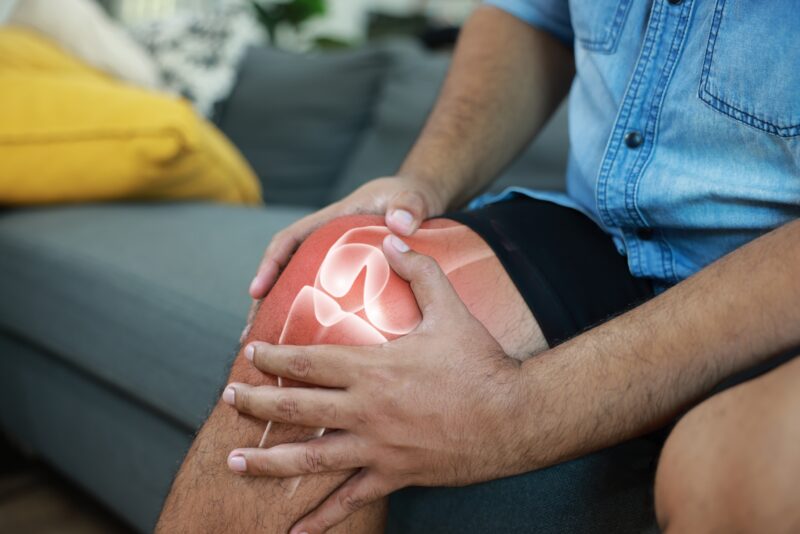
Our joints can change too. Osteoarthritis, the most common type of arthritis in the UK, affects the joints and can cause pain and stiffness, particularly in areas such as the knees, hips and hands.
Neither condition should simply be dismissed as an inevitable part of ageing. While we can’t control every risk factor, our everyday habits can play an important role in maintaining strength and mobility.
Keep moving for stronger bones and joints
Regular movement is one of the foundations of good musculoskeletal health.
For bones, weight-bearing exercise is particularly valuable. This includes activities where you support your own body weight, such as walking, dancing, climbing stairs and jogging.
Strength exercise matters too. Building muscle helps support and stabilise joints while also placing controlled demands on bones. You don’t necessarily need heavy gym equipment; bodyweight exercises, resistance bands and appropriate weights can all be useful.
The key is consistency. A daily walk or regular strength session you genuinely enjoy is much more useful than an ambitious routine you abandon after two weeks.
If you already have osteoporosis, arthritis or another musculoskeletal condition, speak to a healthcare professional about the most appropriate forms of exercise for you.
Get enough calcium and vitamin D
Calcium and vitamin D are two of the nutrients most closely associated with bone health, but they work together in different ways.
Calcium is needed to maintain healthy bones. Dairy foods are well-known sources, but calcium can also be found in foods including leafy green vegetables, tofu, some nuts, fish where the bones are eaten and fortified foods and drinks. The NHS advises that adults aged 19 to 64 generally need around 700mg of calcium a day.
Vitamin D helps the body absorb calcium.
Our bodies can produce vitamin D when skin is exposed to sunlight, but in the UK we can’t make enough from sunlight during autumn and winter. Government advice is therefore to consider a daily 10 microgram vitamin D supplement during these months, while some people are advised to take one throughout the year.
With September marking the beginning of shorter days, it’s a particularly useful time to think about vitamin D as part of your bone-health routine.
Eat for overall musculoskeletal health
Healthy bones and joints need more than one or two nutrients.
Protein helps maintain muscle, while a varied diet containing fruit, vegetables, whole grains, healthy fats and different sources of protein provides a broad range of nutrients.
Maintaining a weight that is healthy for you can also matter. Being underweight can increase the risk of weaker bones, while carrying excess weight can place additional load on weight-bearing joints such as the knees and hips.
Rather than searching for one “superfood” for your joints, focus on the overall pattern of what you eat.
Don’t overlook the everyday habits
Some of the simplest habits can have an impact over time.
Smoking is associated with an increased risk of osteoporosis, while excessive alcohol consumption can negatively affect bone health and increase the risk of falls.
Long periods of inactivity can also contribute to stiffness and loss of muscle strength. If you spend much of the day sitting, regularly getting up to walk or stretch is a simple place to start.
Good bone and joint health is rarely about doing one dramatic thing. It’s the small habits repeated over years that matter.
Where do herbal ingredients fit in?

Herbal tea can’t rebuild bone or treat conditions such as osteoporosis or arthritis, but certain botanicals have long histories of use relating to bones, joints and mobility.
Turmeric is one of the best-known examples. It contains naturally occurring compounds called curcuminoids, including curcumin, which have been widely studied in relation to inflammatory processes in the body. Other botanicals, including nettle, ginger and devil’s claw, also have long histories of traditional use around joint and musculoskeletal wellbeing.
NutraTea has several blends that bring these ingredients together for different needs.
Turmeric & Cinnamon Tea combines turmeric with cinnamon, another spice with a long history of culinary and traditional herbal use, creating a warming way to incorporate both botanicals into an everyday routine.
NutraBone is specifically formulated around bone health and support. Its blend includes turmeric, nettle, ginger, devil’s claw, willow bark and rosehip, alongside other botanicals. Turmeric is traditionally used to maintain normal bone health, while ingredients including nettle, turmeric and devil’s claw are included for their associations with joints, muscles, and mobility.
For a more joint-focused option, NutraJoint combines curcumin with green tea and piperine. Turmeric is included for joint health and flexibility, while piperine is paired with it to help enhance curcumin absorption.
Then there’s NutraUric, which takes a slightly different approach. The caffeine-free blend combines dry cherry, nettle, turmeric, banaba leaf, orange peel and piperine. It is designed around both uric acid and joint wellbeing, with nettle associated with normal renal elimination and turmeric and nettle included for joint health and flexibility.
These blends shouldn’t be viewed as replacements for exercise, good nutrition or medical treatment. Instead, they offer different ways to incorporate traditional botanicals into a wider routine focused on staying active and looking after your bones and joints.
When should you seek advice about bone or joint problems?
Occasional aches after exercise are common, but persistent joint pain, swelling or stiffness shouldn’t automatically be written off as “getting older”.
Speak to your GP if symptoms continue, interfere with normal activities or you’re concerned about your bone health.
It’s also worth discussing osteoporosis risk if you have relevant risk factors, including previous fractures, early menopause, long-term use of certain medications or a strong family history.
Small habits can make a big difference
There’s no single food, drink or exercise that guarantees healthy bones and joints for life.
Instead, focus on the things you can do consistently: keep moving, maintain muscle strength, eat a varied diet, get enough calcium and vitamin D, avoid smoking and keep alcohol within recommended limits.
Herbal blends such as Turmeric & Cinnamon, NutraBone, NutraJoint, and NutraUric can sit comfortably within that bigger picture, providing a simple way to incorporate traditional botanicals such as turmeric, nettle and ginger into your routine. But they’re still one part of a much broader approach to maintaining healthy bones and joints.
And perhaps the most important thing to remember is that you don’t have to wait until your joints hurt or your bones become weaker to start looking after them.

Frequently Asked Questions
What helps keep bones healthy?
Regular weight-bearing and strength exercise, adequate calcium and vitamin D, balanced nutrition, avoiding smoking and keeping alcohol within recommended limits can all contribute to bone health.
What is the best exercise for bone health?
Weight-bearing activities such as walking, dancing and climbing stairs, alongside resistance exercise, can help maintain bone and muscle strength.
Why is vitamin D important for bones?
Vitamin D helps the body absorb calcium, which is needed to maintain healthy bones. In the UK, people are generally advised to consider vitamin D supplementation during autumn and winter.
What’s the difference between osteoporosis and osteoarthritis?
Osteoporosis affects bones, making them weaker and more likely to fracture. Osteoarthritis affects joints and can cause pain, stiffness and reduced movement.
Is turmeric good for joints?
Turmeric contains curcuminoids, including curcumin, which have been researched in relation to inflammatory processes. However, turmeric tea shouldn’t be considered a treatment for arthritis or persistent joint pain.
Can herbal tea support bone and joint health?
Herbal tea can be part of a balanced wellbeing routine, but it can’t replace exercise, good nutrition, adequate calcium and vitamin D or appropriate medical treatment.