


NutraBlog
Evidence-Based Benefits of Herbal Blends for Better Sleep

Struggling with restless nights, early waking, or a racing mind at bedtime? You’re not alone. Sleep issues are increasingly common, especially during stressful or busy seasons, but natural support may offer a gentler solution. In this guide, we explore the evidence-backed benefits of herbal ingredients that support deeper, more restorative sleep, including chamomile, valerian, lemon balm, marshmallow root, and soothing digestive herbs. You’ll also learn how NutraTea blends such as Chamomile & Valerian, NutraRelax, and NutraReflux can complement a calming bedtime routine. Whether you’re dealing with stress, discomfort, or an overactive mind, discover how the right herbs can help you unwind naturally and drift into peaceful, uninterrupted rest.
Sleep is one of the most powerful foundations for wellbeing, yet for many people, a peaceful night feels increasingly out of reach. Busy lifestyles, rising stress levels, digestive discomfort, and irregular routines all play a role in making it harder to unwind. The good news? A growing body of evidence shows that specific herbs can support the nervous system, relax the body, and prepare the mind for rest. When combined into functional blends, they create a soothing ritual that supports deeper, more restorative sleep naturally.
What really causes poor sleep? An evidence-based look
Before exploring the herbal solutions, it helps to understand the root causes of common sleep struggles. Research highlights several key contributors:
- Stress and elevated cortisol, which make it difficult to switch off at night
- Digestive discomfort, especially reflux, which is strongly linked to disrupted sleep
- Overactive nervous system activity, preventing the body from entering deeper sleep stages
- Lifestyle factors, including screen exposure, irregular routines and stimulants
Herbal blends can help by addressing these underlying issues holistically.
What are the evidence-based benefits of herbal blends for better sleep?
1. Chamomile may promote relaxation and improve sleep quality
Chamomile is one of the most researched herbs for sleep. Studies suggest its calming effects come from apigenin, a compound that binds to benzodiazepine receptors in the brain to reduce anxiety and promote relaxation.
Why it helps with sleep
- May reduce anxiety and stress responses
- Helps initiate sleep more easily
- Supports overall sleep quality
Blend to try:
Chamomile & Valerian – Chamomile soothes the mind, while valerian supports deeper, more restorative sleep.

2. Valerian root may reduce sleep latency (time to fall asleep)
Valerian root is widely studied for its natural sedative properties. Research indicates valerian may increase GABA, a calming neurotransmitter that slows brain activity.
Why it helps with sleep
- Helps you fall asleep faster
- Reduces nighttime restlessness
- May help improve sleep depth
Blend to try:
Chamomile & Valerian – A trusted pairing for easing into sleep gently.
3. Lavender and lemon balm may reduce stress and night-time tension
Both lavender and lemon balm are well-supported in research for their impact on stress, anxiety, and nervous system regulation.
Lavender has been shown to reduce heart rate and calm brain activity.
Lemon balm may modulate GABA pathways, supporting emotional balance.
Why they help with sleep
- Reduce anxiety that interferes with falling asleep
- Support emotional regulation in the evening
- Help the mind and body transition to rest
Blend to try:
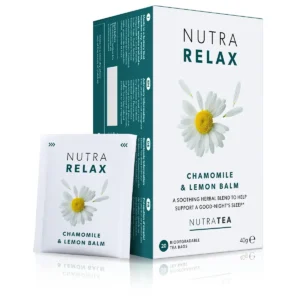
NutraRelax – Combining lavender, lemon balm, chamomile, hawthorn berry, and passionflower for deeply calming support.
4. Digestive comfort can improve sleep and certain herbs help
Digestive discomfort is one of the most overlooked causes of poor sleep. Eating later in the evening, rich foods, or acid reflux can all disrupt nighttime rest.
Herbs such as liquorice root, ginger, and fennel help to soothe the digestive system, reduce irritation, and ease nighttime reflux.
Why this matters for sleep
- Reduces discomfort that wakes you up
- Helps prevent reflux-related coughing
- Supports relaxed abdominal muscles and digestion
Blend to try:
NutraReflux – Formulated to soothe the oesophagus and support evening digestion using slippery elm, liquorice, and ginger.

5. Calming rituals enhance herbal benefits
Evidence shows that routine itself can help regulate melatonin production. Pairing herbal tea with a nightly ritual amplifies its effects.
Small habits that help:
- Sip herbal tea 1–2 hours before bed
- Dim lights to trigger melatonin release
- Avoid screens to reduce nervous system stimulation
- Add journaling or stretching to deepen relaxation
A natural way to reset your evenings
Herbal blends offer a gentle, evidence-supported way to improve sleep by targeting the root causes of nighttime restlessness, stress, mental tension, and digestive discomfort. Whether you’re looking for a calmer mind, easier sleep onset, or nighttime comfort, blends like Chamomile & Valerian, NutraRelax, and NutraReflux offer natural support.
With the right herbs and a mindful bedtime routine, you can restore your sleep rhythm and wake feeling refreshed, naturally.
Your Questions Answered
Do herbal teas really help you sleep?
Yes. Research shows ingredients like chamomile, valerian, lavender, and lemon balm can reduce anxiety, improve sleep latency, and support deeper rest.
Which herbal tea is best for stress before bed?
NutraRelax includes lemon balm, lavender, and passionflower, all known for their calming properties.
Can herbal tea replace sleep medication?
No, but it can be an effective natural alternative for mild sleep disturbances.
What’s best if my sleep issues are digestive-related?
NutraReflux provides digestive soothing herbs that help prevent nighttime discomfort.
When should I drink sleep teas?
1–2 hours before bed is ideal to allow relaxation to build gradually.