


NutraBlog
Can herbal teas help with stress and anxiety? Natural ways to feel calmer and reduce burnout

Herbal teas for stress relief are widely used as a gentle way to support relaxation and emotional balance. Many calming herbs, including chamomile, lemon balm, valerian, and adaptogenic botanicals, have traditionally been used to support the nervous system and reduce feelings of tension. While herbal teas are not a treatment for anxiety, they can form part of daily routines designed to encourage calm and reduce stress. In this guide, we explore how herbal teas for anxiety work, which calming herbal teas may support relaxation, and how simple rituals like drinking herbal tea can become natural ways to reduce stress and support overall wellbeing.
Quick answer: can herbal teas help with stress and anxiety?
Herbal teas may help support relaxation and emotional balance. Certain calming herbs contain natural compounds that may help reduce nervous tension and support the body’s stress response.
Quick answer: what herbal tea is best for stress relief?
Calming herbal teas such as chamomile, lemon balm, valerian, and adaptogenic herbs are commonly used to support relaxation and nervous system balance.
Why herbal teas are often used for stress relief
Stress is a natural response that helps the body react to challenges. However, when stress becomes constant, it can affect sleep, mood, energy, and concentration.
This is why many people explore natural ways to reduce stress, including lifestyle habits that support the nervous system. Herbal teas are one of the simplest and most accessible approaches.
Unlike caffeinated drinks, calming herbal teas help create a pause in the day. The warmth, aroma, and ritual of preparing tea can signal to the body that it is time to slow down.
Over time, small habits like drinking herbal tea regularly can help support relaxation and emotional balance.
Could stress and burnout be affecting your wellbeing?
Chronic stress can sometimes lead to burnout, a state of emotional and physical exhaustion that develops when the body stays in a prolonged stress response.
Common burnout symptoms can include constant fatigue, difficulty concentrating, irritability, disrupted sleep, and feeling mentally overwhelmed.
Creating small daily habits that support the nervous system can help the body move out of constant “fight or flight” mode. Gentle routines such as drinking calming herbal teas, prioritising rest, and creating moments of stillness can support recovery from long periods of stress.
How calming herbs support the nervous system
Many herbs used in herbal teas contain plant compounds that interact with the body’s stress response systems.
Some herbs encourage relaxation by supporting neurotransmitters involved in calmness, while others help regulate how the body responds to stress hormones.
This is why calming herbal teas are often used during periods of emotional pressure, fatigue, or burnout.
Can herbal tea help with stress hormones?
Stress often involves the hormone cortisol, which helps regulate the body’s stress response. When cortisol levels remain elevated for long periods, it can disrupt sleep, mood, and energy levels.
Calming herbs such as lemon balm, chamomile, and valerian are often used in routines designed to support relaxation and nervous system balance. By helping the body unwind, herbal teas may indirectly support a healthier stress response.
For this reason, herbal tea for stress relief is often included in evening routines or moments of rest during the day.
Calming herbs commonly used for stress and anxiety
Chamomile
Chamomile is one of the most widely recognised relaxation herbs. It has traditionally been used to support sleep, reduce nervous tension, and promote calmness.
Lemon balm
Lemon balm is a gentle herb known for supporting mood and nervous system balance. It is commonly used in herbal teas designed for stress relief and emotional wellbeing.
Valerian
Valerian root has traditionally been used to support sleep and relaxation. It is often combined with other calming herbs in relaxation herbal tea blends.
Adaptogenic herbs
Adaptogens such as ashwagandha and ginseng help the body respond to stress more effectively. Rather than simply sedating the body, they help improve resilience to physical and emotional stress.
Herbal teas and NutraTea blends for stress support
While individual herbs offer calming properties, herbal blends often combine complementary ingredients that support relaxation in a balanced way.
NutraRelax contains calming botanicals traditionally used to support relaxation and nervous system balance, making it a popular choice for stress relief routines.
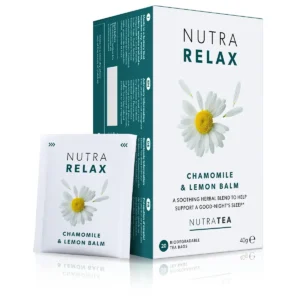
Chamomile & Valerian combines two well-known calming herbs that support sleep and relaxation.

NutraHead includes herbs that support cognitive clarity and calm focus, which can be helpful during periods of stress and mental fatigue.
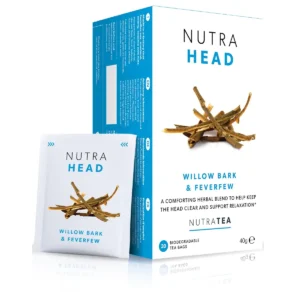
These blends make it easy to incorporate calming herbs into everyday routines.
Our Relaxing Collection Gift Box contains all three of these blends to support your mental wellbeing and help you deal with stress.

Simple ways herbal tea rituals can reduce stress
Sometimes the benefit of herbal tea lies not only in the herbs themselves but in the ritual surrounding them.
Preparing a cup of herbal tea can create a small pause in a busy day. These moments of calm allow the nervous system to shift away from constant stimulation.
Many people find that replacing highly caffeinated drinks with calming herbal teas helps create a more balanced daily rhythm.
Natural ways to reduce stress alongside herbal tea
While herbal teas can support relaxation, they work best as part of a broader approach to wellbeing.
Natural ways to reduce stress often include prioritising sleep, maintaining balanced nutrition, managing screen time, and creating small daily rituals that encourage rest. Practices such as gentle movement, mindful breathing, and spending time outdoors can also help support the body’s stress response.
Combining these habits with calming herbal teas can create a supportive routine for emotional wellbeing.
A gentle approach to feeling calmer
Periods of stress are a normal part of life, but creating small moments of calm throughout the day can make a meaningful difference.
Herbal teas provide a simple, accessible way to support relaxation and emotional balance. By choosing calming herbs and incorporating them into daily routines, it becomes easier to create space for rest and recovery.
Whether enjoyed in the evening or during quiet breaks in the day, herbal tea can be a gentle tool for restoring calm.
Your Questions Answered
Do herbal teas really help with anxiety?
Herbal teas cannot treat anxiety, but certain calming herbs may help support relaxation and emotional balance.
What is the best herbal tea for stress?
Chamomile, lemon balm, valerian, and adaptogenic herbs are among the most commonly used herbs for relaxation.
How often should I drink herbal tea for stress relief?
Many people drink one to three cups of calming herbal tea daily as part of a relaxation routine.
Are herbal teas better than caffeinated drinks for stress?
Caffeinated drinks can increase nervous system stimulation. Replacing some of these drinks with calming herbal teas may support relaxation.